Why This APPSC Group 1 Syllabus 2026 Guide Matters
ఈ APPSC గ్రూప్-1 సిలబస్ 2026 గైడ్ ఎందుకు ముఖ్యం
This comprehensive APPSC Group 1 Syllabus 2026 covers every topic from the official notification. Whether you're searching for APPSC Group 1 Prelims Syllabus, APPSC Group 1 Mains Syllabus, the complete APPSC Group 1 Exam Pattern, or the latest APPSC Group 1 Notification 2026, this page provides everything you need to crack the exam — available in both APPSC Group 1 Syllabus Telugu and English medium.
ఈ సమగ్ర APPSC గ్రూప్-1 సిలబస్ 2026 అధికారిక నోటిఫికేషన్ నుండి ప్రతి అంశాన్ని కవర్ చేస్తుంది. మీరు APPSC గ్రూప్-1 ప్రిలిమ్స్ సిలబస్, APPSC గ్రూప్-1 మెయిన్స్ సిలబస్, పూర్తి APPSC గ్రూప్-1 పరీక్షా విధానం, లేదా తాజా APPSC గ్రూప్-1 నోటిఫికేషన్ 2026 కోసం వెతుకుతున్నా, ఈ పేజీ పరీక్షలో గెలవడానికి అవసరమైన ప్రతిదాన్ని అందిస్తుంది.
Stage 2 · Descriptive
దశ 2 · వివరణాత్మక
APPSC Group 1 Mains Examination 2026
ఏపీపీఎస్సీ గ్రూప్-1 మెయిన్స్ పరీక్ష 2026
ఏపీపీఎస్సీ గ్రూప్-1 మెయిన్స్ పరీక్ష 2026
APPSC Group 1 Mains Examination 2026
The APPSC Group 1 Mains consists of 5 merit papers (150 marks each) plus 2 qualifying language papers (English & Telugu). Only candidates who qualify Prelims are eligible. Mains scores + Interview scores determine final merit list. Prepare with our recommended books and mains test series for best results.
ఏపీపీఎస్సీ గ్రూప్-1 మెయిన్స్ లో 5 మెరిట్ పేపర్లు (ప్రతిది 150 మార్కులు) మరియు 2 అర్హత భాషా పేపర్లు (ఇంగ్లీష్ & తెలుగు) ఉంటాయి. ప్రిలిమ్స్లో అర్హత సాధించిన అభ్యర్థులు మాత్రమే అర్హులు. మెయిన్స్ స్కోర్స్ + ఇంటర్వ్యూ స్కోర్స్ చివరి మెరిట్ జాబితాను నిర్ణయిస్తాయి.
Mains · Paper I
మెయిన్స్ · పేపర్-1
Paper I — General Essay
జనరల్ ఎస్సే · 150 Marks
పేపర్-1 — జనరల్ ఎస్సే
150 మార్కులు
- Current affairsప్రస్తుత వ్యవహారాలు
- Socio-political issuesసామాజిక-రాజకీయ సమస్యలు
- Socio-economic issuesసామాజిక-ఆర్థిక సమస్యలు
- Socio-environmental issuesసామాజిక-పర్యావరణ సమస్యలు
- Cultural and historical aspectsసాంస్కృతిక మరియు చారిత్రక అంశాలు
- Issues related to civic awarenessపౌర అవగాహనకు సంబంధించిన సమస్యలు
- Reflective topicsచింతనాత్మక అంశాలు
Mains · Paper II
మెయిన్స్ · పేపర్-2
Paper II — History, Culture and Geography of India & AP
చరిత్ర, సంస్కృతి మరియు భూగోళశాస్త్రం · 150 Marks
పేపర్-2 — చరిత్ర, సంస్కతి మరియు భూగోళశాస్త్రం
150 మార్కులు
- Pre-Historic Cultures in India - Indus Valley Civilization - Vedic Culture - Mahajanapadas - Emergence of New Religions - Jainism, Buddhismభారతదేశంలో పూర్వ-చారిత్రక సంస్కతులు - సింధు లోయ నాగరికత - వైదిక సంస్కృతి - మహాజనపదాలు - కొత్త మతాల ఉద్భవం - జైనమతం, బౌద్ధమతం
- Rise of the Magadha and Age of the Mauryas - Ashoka Dharma - Foreign Invasions on India - The Kushansమగధ ఉదయం మరియు మౌర్యుల యుగం - అశోక ర్మం - భారతదేశంపై విదేశీ ఆక్రమణలు - కుషాణులు
- The Satavahanas, the Sangam Age in South India - the Sungas - the Guptas - the Kanauj and their Contributions - Historical Accounts of Foreign travelersశాతవాహనులు, దక్షిణ భారతదేశంలో సంఘ యుగం - శుంగలు - గుప్తులు - కనౌజ్ మరియు వారి కృషి - విదేశీ ాత్రికుల చారిత్రక వివరణలు
- The Pallavas, the Badami Chalukyas, the Eastern Chalukyas, the Rashtrakutas, the Kalyani Chalukyas and the Cholas - Socio Cultural Contributionsపల్లవులు, బాదామి చాళుక్యులు, తూర్పు చాళుక్యులు, రాష్ట్రకూటులు, కల్యాణి చాళుక్యులు మరియు చోళులు - సామాజిక సాంస్కృతిక కృషి
- Delhi Sultanates - Advent of Islam and its Impact - Religious Movements like Bhakti and Sufi and Its Influenceిల్లీ సల్తనత్లు - ఇస్లాం ఆగమనం మరియు దాని ప్రభావం - భక్తి మరియు సూఫీ వంటి మత ఉద్యమాలు మరియు దాని ప్రభావం
- Growth of Vernacular Languages, Scripts, Literature, Fine Arts - Socio Cultural Conditions of the Kakatiyas, the Vijayanagaras, the Bahmanis, the Qutubsahisప్రాంతీయ భాషలు, లిపులు, సాహిత్యం, లలిత కళల వృద్ధి - కాకతీయులు, విజయనగరులు, బహమనీలు, కుతుబ్షాహీల సామాజిక సాంస్కృతిక పరిస్థితులు
- The Mughals Administration, Socio-Religious life and Cultural developments - Shivaji and Rise of Maratha Empire - Advent of Europeans in Indiaముఘలు పరిపాలన, సామాజిక-మత జీవితం మరియు సాంస్కృతిక అభివృద్ధులు - షివాజీ మరియు మరాఠా సామ్రాజ్య ఉదయం - భారతదేశంలో ఐరోపా వారి ఆగమనం
- Rise of British rule in India from 1757 to 1856 - Land Revenue Settlement - 1857 Revolt and its Impact - Education, Press, Cultural changes1757 నుండి 1856 వరకు భారతదేశంలో బ్రిటిష్ పాలన ఉదయం - భూమి ఆదాయ స్థిరీకరణ - 1857 తిరుగుబాటు మరియు దాని ప్రభావం - విద్య, ప్రెస్, సాంస్కృతిక మార్పులు
- Rise of Indian Nationalism - Activities of Indian National Congress - Role of Mahatma Gandhi, Subhash Chandra Bose, Vallabhai Patelభారత జాతీయవాద ఉదయం - ఇండియన్ నేషనల్ కాంగ్రెస్ కార్యకలాపాలు - మహాత్మా గాంధీ, సుభాష్ చంద్రబోస్, వల్లభభాయ్ పటేల్ పాత్ర
- Dr B.R. Ambedkar and his Contributions - Indian Nationalism in three phases - Freedom Struggle 1885-1905, 1905-1920 and Gandhi Phase 1920-1947డా బి.ఆర్. అంబేద్కర్ మరియు ఆయన కృషి - మూడు దశలలో భారత జాతీయవాదం - స్వాతంత్య్ర సంగ్రామం 1885-1905, 1905-1920 మరియు గాంధీ దశ 1920-1947
- Independence and Partition of India - India after Independence - Linguistic Re-organization of States - Integration of the Indian States - Indian Constitutionభారత స్వాతంత్య్రం మరియు విభజన - స్వాతంత్య్రానంతర భారతదేశం - రాష్ట్రాల భాషా పునర్వ్యవస్థీకరణ - భారత రాష్ట్రాల ఏకీకరణ - భారత రాజ్యాంగం
- Andhra History: The Satavahanas, the Ikshvakus, the Salankayanas, the Pallavas and the Vishnukundins - Social and Economic Conditions 📚 Best books for AP History →ఆంధ్ర చరిత్ర: శాతవాహనులు, ఇక్ష్వాకులు, సాలంకాయనులు, పల్లవులు మరియు విష్ణుకుండినులు - సామాజిక మరియు ఆర్థిక పరిస్థితులు
- The Eastern Chalukyas, the Rashtrakutas, the Renati Cholas - Socio-Cultural life, Religion - Telugu Script and Language, Literature, Art and Architectureతూర్పు చాళుక్యులు, రాష్ట్రకూటులు, రేనాటి చోళులు - సామాజిక-సాంస్కృతిక జీవితం, మతం - తెలుగు లిపి మరియు భాష, సాహిత్యం, కళ మరియు నిర్మాణం
- Medieval Andhra: Socio-Cultural and Religious Conditions 1000 to 1565 A.D. - Antiquity, Origin and Growth Telugu Language and Literatureమధ్యయుగ ఆంధ్ర: 1000 నుండి 1565 క్రీ.శ. వరకు సామాజిక-సాంస్కృతిక మరియు మతపరమైన పరిస్థితులు - తెలుగు భాష మరియు సాహిత్యం యొక్క ప్రాచీనత, మూలం మరియు వృద్ధి
- Fine Arts, Art & Architecture during the reign of Kakatiyas, Reddis, Gajapatis and Vijayanagaras - Historical Monuments - Contribution of Qutubshahisకాకతీయులు, రెడ్లు, గజపతులు మరియు విజయనగరుల పాలనలో లలిత కళలు, కళ & నిర్మాణం - చారిత్రక స్మారక చిహ్నాలు - కుతుబ్షాహీల కృషి
- Modern Andhra: European Trade Establishments - Andhra Under the Company Rule - Role of Christian Missionaries - Socio-Cultural, Literary Awakeningఆధునిక ఆంధ్ర: ఐరోపా వాణిజ్య సంస్థలు - కంపెనీ పాలనలో ఆంధ్ర - క్రైస్తవ మిషనరీల పాత్ర - సామాజిక-సాంస్కృతిక, సాహిత్య జాగృతి
- Role of Social Reformers - Gurujada Apparao, Kandukuri Veeresalingam, Raghupati Venkataratnam Naidu, Gidugu Ramamurthy, Annie Besantసామాజిక సంస్కర్తల పాత్ర - గురజాడ అప్పారావు, కందుకూరి వీరేశలింగం, రఘుపతి వెంకటరత్నం నాయుడు, గిడుగు రామమూర్తి, ఆనీ బెసెంట్
- Nationalist Movement: Role of Andhra leaders - Justice Party, Non-Brahmin Movement - Nationalist and Revolutionary Literatureజాతీయవాద ఉద్యమం: ఆంధ్ర నాయకుల పాత్ర - జస్టిస్ పార్టీ, నాన్-బ్రాహ్మణ ఉద్యమం - జాతీయవాద మరియు విప్లవాత్మక సాహిత్యం
- Andhra Mahasabhas, Andhra Movement - prominent leaders - Alluri Sitaramaraju, Duggirala Gopalakrishnaiah, Konda Venkatappayyaఆంధ్ర మహాసభలు, ఆంధ్ర ఉద్యమం - ప్రముఖ నాయకులు - అల్లూరి సీతారామరాజు, దుగ్గిరాల గోపాలకృష్ణయ్య, కొండ వెంకటప్పయ్య
- Formation of Andhra State, 1953 - Emergence of Andhra Pradesh, 1956 - Andhra Pradesh 1956 to 2014 - Causes for Bifurcation, 2nd June 2014 Impactఆంధ్ర రాష్ట్ర ఏర్పాటు, 1953 - ఆంధ్రప్రదేశ్ ఉదయం, 1956 - ఆంధ్రప్రదేశ్ 1956 నుండి 2014 వరకు - విభజన కారణాలు, 2 జూన్ 2014 ప్రభావం
- Bifurcation of Andhra Pradesh and its impact on Administrative, Economic, Social, Political, Cultural and Legal Implicationsఆంధ్రప్రదేశ్ విభజన మరియు పరిపాలనా, ఆర్థిక, సామాజిక, రాజకీయ, సాంస్కృతిక మరియు చట్టపరమైన పరిణామాలపై దాని ప్రభావం
- Loss of Capital City, Building of New Capital and its financial Implications - Division of Employees and their Native Issuesరాజధాని నగరం నష్టం, కొత్త రాజధాని నిర్మాణం మరియు దాని ఆర్థిక పరిణామాలు - ఉద్యోగుల విభజన మరియు వారి స్థానిక సమస్యలు
- Effect of Bifurcation on Trade & Commerce, Industry – Implication of Financial Resources of State Governmentవాణిజ్యం మరియు పరిశ్రమపై విభజన ప్రభావం – రాష్ట్ర ప్రభుత్వ ఆర్థిక వనరుల పరిణామాలు
- Developmental Opportunities - Socio-Economic, Cultural and Demographic impact of Bifurcationఅభివృద్ధి అవకాశాలు - విభజన యొక్క సామాజిక-ఆర్థిక, సాంస్కృతిక మరియు జనాభా ప్రభావం
- Impact on River water sharing and other link issues - Andhra Pradesh Reorganization Act.2014 - the Arbitrariness of certain provisionsనది నీటి పంపిణీ మరియు ఇతర లింక్ సమస్యలపై ప్రభావం - ఆంధ్రప్రదేశ్ పునర్వ్యవస్థీకరణ చట్టం.2014 - కొన్ని నిబంధనల యాదృచ్ఛికత
- Geography: Physical Features and Resources - India and Andhra Pradesh, Major land forms, Climatic changes, Soil types, Rivers, Water, Streamsభూగోళశాస్త్రం: భౌతిక లక్షణాలు మరియు వనరులు - భారతదేశం మరియు ఆంధ్రప్రదేశ్, ప్రధాన భూరూపాలు, వాతావరణ మార్పులు, మట్టి రకాలు, నదులు, నీరు, ప్రవాహాలు
- Economic Geography: Agriculture, Live stocks, Forestry, Fishery, Quarrying, Mining, House hold Manufacturing, Industriesఆర్థిక భూగోళశాస్త్రం: వ్యవసాయం, లైవ్ స్టాక్స్, అటవీ, మత్స్య, క్వారీయింగ్, మైనింగ్, గృహ తయారీ, పరిశ్రమలు
- Social Geography: Population Movements and Distribution, Human Habitations, Density, Age, Sex, Rural, Urban, Race, Caste, Tribe, Religion, Linguisticసామాజిక భూగోళశాస్త్రం: జనాభా చలనాలు మరియు పంపిణీ, మానవ నివాసాలు, సాంద్రత, వయస్సు, లింగం, గ్రామీణ, పట్టణ, జాతి, కులం, తెగ, మతం, భాషా
- Fauna and Floral Geography: Wild Animals, Animals, Birds, Reptiles, Mammals, Trees and Plantsజంతు మరియు వృక్ష భూగోళశాస్త్రం: వన్యప్రాణులు, జంతువులు, పక్షులు, సరీసృపాలు, క్షీరదాలు, చెట్లు మరియు మొక్కలు
- Environmental Geography: Sustainable Development, Globalization, Temperature, Humidity, Cloudiness, Winds, Special Weather Phenomenaపర్యావరణ భూగోళశాస్త్రం: స్థిరమైన అభివృద్ధి, ప్రపంచీకరణ, ఉష్ణోగ్రత, తేమ, మేఘావృతం, గాలులు, ప్రత్యేక వాతావరణ దృగ్విషయాలు
- Natural Hazards — Earth Quakes, Land Slides, Floods, Cyclones, Cloud Burst, Disaster Management, Impact Assessment, Environmental Pollutionసహజ విపత్తులు — భూకంపాలు, భూమిపాలు, వరదలు, తుఫానులు, మేఘ విస్ఫోటనం, విపత్తు నిర్వహణ, ప్రభావ అంచనా, పర్యావరణ కాలుష్యం
Mains · Paper III
మెయిన్స్ · పేపర్-3
Paper III — Polity, Constitution, Governance, Law and Ethics
పాలనా వ్యవస్థ, రాజ్యాంగం, పాలన, చట్టం మరియు నైతికత · 150 Marks
పేపర్-3 — పాలనా వ్యవస్థ, రాజ్యాంగం, పాలన, చట్టం మరియు నైతికత
150 మార్కులు
- Indian Constitution and its salient features - Functions and duties of the Indian Union and the State Governmentsభారత రాజ్యాంగం మరియు దాని ప్రముఖ లక్షణాలు - భారత ూనియన్ మరియు రాష్ట్ర ప్రభుత్వాల విధులు మరియు కర్తవ్యాలు
- Issues and challenges pertaining to the Federal structure — Role of Governor in States - Distribution of powers between the Union and Statesసమాఖ్య నిర్మాణానికి సంబంధించిన సమస్యలు మరియు సవాళ్లు — రాష్ట్రాలలో గవర్నర్ పాత్ర - కేంద్రం మరియు రాష్ట్రాల మధ్య అధికారాల పంపిణీ
- Rural and Urban Local Governance under 73rd and 74th Constitutional Amendment - Constitutional Authorities and their Role73వ మరియు 74వ రాజ్యాంగ సవరణల కింద గ్రామీణ మరియు పట్టణ స్థానిక పాలన - రాజ్యాంగ సంస్థలు మరియు వాటి పాత్ర
- Parliament and State Legislatures — structure, functioning, conduct of business, powers & privileges and issues arising out of theseపార్లమెంటు మరియు రాష్ట్ర శాసనసభలు — నిర్మాణం, పనితీరు, వ్యాపార నిర్వహణ, అధికారాలు & హక్కులు మరియు వీటి నుండి ఉత్పన్నమయ్యే సమస్యలు
- Judiciary in India — Structure and functions, important provisions relating to emergency and constitutional amendments, judicial review, Public Interest Litigationభారతదేశంలో న్యాయవ్యవస్థ — నిర్మాణం మరియు విధులు, అత్యవసర పరిస్థితి మరియు రాజ్యాంగ సవరణలకు సంబంధించిన ముఖ్యమైన నిబంధనలు, న్యాయ సమీక్ష, ప్రజా ప్రయోజన వ్యాజ్యాలు
- Meaning, Nature and Scope of Public Administration — Evolution in India — Administrative ideas in Kautilya's Arthashastra; Mughal administration; Legacy of British ruleప్రజా పరిపాలన యొక్క అర్థం, స్వభావం మరియు పరిధి — భారతదేశంలో పరిణామం — కౌటిల్య అర్థశాస్త్రంలో పరిపాలనా ఆలోచనలు; మొఘల్ పరిపాలన; బ్రిటిష్ పాలన వారసత్వం
- Government policies and interventions for development in various sectors and issues and problems of implementationవివిధ రంగాలలో అభివృద్ధి కోసం ప్రభుత్వ విధానాలు మరియు జోక్యాలు మరియు అమలులో సమస్యలు మరియు సమస్యలు
- Development processes - the role of civil society, NGOs and other stakeholdersఅభివృద్ధి ప్రక్రియలు - పౌర సమాజం, ఎన్జీఓలు మరియు ఇతర వాటాదారుల పాత్ర
- Statutory, regulatory and various quasi-judicial authorities - Role of Civil Services in Democracyచట్టబద్ధమైన, నియంత్రణ మరియు వివిధ అర్ధ-న్యాయ అధికారులు - ప్రజాస్వామ్యంలో సివిల్ సర్వీసెస్ పాత్ర
- Good governance and e-governance - Transparency, accountability and responsiveness in governance — Citizen's Charterమంచి పాలన మరియు ఈ-గవర్నెన్స్ - పాలనలో పారదర్శకత, బాధ్యత మరియు స్పందనశీలత — పౌర చార్టర్
- RTI, Public Service Act and their implications, Concept of Social Audit and its importanceఆర్టీఐ, పబ్లిక్ సర్వీస్ యాక్ట్ మరియు వాటి పరిణామాలు, సోషల్ ఆడిట్ భావన మరియు దాని ప్రాముఖ్యత
- Ethics and Human Interface: Essence, determinants and Consequences of Ethics in Human actions: dimensions of Ethics: Ethics in Private and Public relationshipsనైతికత మరియు మానవ ఇంటర్ఫేస్: మానవ చర్యలలో నైతికత యొక్క సారాంశం, నిర్ధారకాలు మరియు పరిణామాలు: నైతికత యొక్క మితులు: ప్రైవేట్ మరియు పబ్లిక్ సంబంధాలలో నైతికత
- Ethics-integrity and Accountability in Public Serviceప్రజా సేవలో నైతికత-సమగ్రత మరియు బాధ్యత
- Human values: Understanding the Harmony in existence Human relationships in the society and in the Nature. Gender Equability in the relationshipsమానవ విలువలు: ఉనికిలో సామరస్యాన్ని అర్థం చేసుకోవడం సమాజంలో మరియు ప్రకృతిలో మానవ సంబంధాలు. సంబంధాలలో లింగ సమానత్వం
- Role of family, society and Educational Institutions in imparting values to citizens, lessons from the lives and teachings of great leaders, reformers and administrationsపౌరులకు విలువలను బోధించడంలో కుటుంబం, సమాజం మరియు విద్యా సంస్థల పాత్ర, గొప్ప నాయకులు, సంస్కర్తలు మరియు పరిపాలకుల జీవితాలు మరియు బోధనల నుండి పాఠాలు
- Attitude: Content, Functions, its influence and relation with thought and behaviour, Moral and Political attitudes, role of Social influence and persuasionవైఖరి: విషయం, విధులు, దాని ప్రభావం మరియు ఆలోచన మరియు ప్రవర్తనతో సంబంధం, నైతిక మరియు రాజకీయ వైఖరులు, సామాజిక ప్రభావం మరియు ప్రేరణ పాత్ర
- Emotional intelligence - Concepts and their utilities and application in Administration and Governanceభావోద్వేగ బుద్ధి - భావనలు మరియు వాటి ఉపయోగాలు మరియు పరిపాలన మరియు పాలనలో అనువర్తనం
- Concept of Public Service, "Philosophical basis of Governance professional Ethics in the light of right understanding and Vision for Holistic Technologiesప్రజా సేవ భావన, "సరైన అవగాహన మరియు హోలిస్టిక్ టెక్నాలజీల కోసం దృష్టి వెలుగులో పాలన వృత్తి నైతికత యొక్క దార్శనిక ఆధారం
- Codes of Ethics, codes of Conduct, RTI, Public Service Act, Leadership Ethics, Work culture, Ethical principles with in an Organizational contentనైతికత కోడ్లు, ప్రవర్తన కోడ్లు, ఆర్టీఐ, పబ్లిక్ సర్వీస్ యాక్ట్, నాయకత్వ నైతికత, పని సంస్కృతి, ఒక సంస్థాగత విషయంలో నైతిక సూత్రాలు
- Ethical and moral values in governance, Ethical issues in international relations, corruption, Lokpal, Lokayuktaపాలనలో నైతిక మరియు నైతిక విలువలు, అంతర్జాతీయ సంబంధాలలో నైతిక సమస్యలు, అవినీతి, లోక్పాల్, లోకాయుక్త
- Basic Knowledge of Laws in India: Constitution of India - Nature and salient features – Fundamental Rights and Directive Principles of State Policyభారతదేశంలో చట్టాల ప్రాథమిక జ్ఞానం: భారత రాజ్యాంగం - స్వభావం మరియు ప్రముఖ లక్షణాలు – ప్రాథమిక హక్కులు మరియు రాజ్య నీతి నిర్దేశక సూత్రాలు
- Bifurcation of powers between centre and state (state list, union list and concurrent list) – Powers of judiciary, executive and legislatureకేంద్రం మరియు రాష్ట్రం మధ్య అధికారాల విభజన (రాష్ట్ర జాబితా, యూనియన్ జాబితా మరియు సమవర్తీ జాబితా) – న్యాయవ్యవస్థ, కార్యనిర్వాహక మరియు శాసనసభ ొక్క అధికారాలు
- Civil and Criminal laws: hierarchy of civil and criminal courts in India - difference between substantial and procedural laws – order and decreeసివిల్ మరియు క్రిమినల్ చట్టాలు: భారతదేశంలో సివిల్ మరియు క్రిమినల్ కోర్టుల క్రమం - వాస్తవ మరియు ప్రక్రియాత్మక చట్టాల మధ్య తేడా – ఆర్డర్ మరియు డిక్రీ
- New developments in criminal laws, Nirbhaya Actక్రిమినల్ చట్టాలలో కొత్త అభివృద్ధులు, నిర్భయ చట్టం
- Labour Law: Concept of social welfare legislations in India, changing trends in employment and necessity for new labour lawsలేబర్ లా: భారతదేశంలో సామాజిక సంక్షేమ చట్టాల భావన, ఉపాధిలో మారుతున్న ధోరణులు మరియు కొత్త లేబర్ చట్టాల అవసరం
- Cyber Laws: Information Technology Act – Cyber Security and Cyber Crime – difficulties in determining competent jurisdiction of courts in case of cyber-crimesసైబర్ చట్టాలు: ఇన్ఫర్మేషన్ టెక్నాలజీ యాక్ట్ – సైబర్ సెక్యూరిటీ మరియు సైబర్ క్రైమ్ – సైబర్-నేరాల విషయంలో కోర్టుల సమర్థ అధికార పరిధిని నిర్ణయించడంలో కష్టాలు
- Tax Laws: Laws relating to income, Profits, Wealth Tax, Corporate Tax - GSTపన్ను చట్టాలు: ఆదాయం, లాభాలు, సంపద పన్ను, కార్పొరేట్ పన్నుకు సంబంధించిన చట్టాలు - జీఎస్టీ
Mains · Paper IV
మెయిన్స్ · పేపర్-4
Paper IV — Economy and Development of India & AP
ఆర్థిక వ్యవస్థ మరియు అభివృద్ధి · 150 Marks
పేపర్-4 — ఆర్థిక వ్యవస్థ మరియు అభివద్ధి
150 మార్కులు
- Major Challenges of Indian Economy – Inconsistent growth rate, Low growth rates of agriculture and manufacturing sectors, inflation and oil pricesభారత ఆర్థిక వ్యవస్థ యొక్క ప్రధాన సవాళ్లు – అస్థిర వృద్ధి రేటు, వ్యవసాయం మరియు తయారీ రంగాల తక్కువ వృద్ధి రేట్లు, ద్రవ్యోల్బణం మరియు చమురు ధరలు
- Current account deficit and unfavorable balance of payments, falling rupee value, growing NPAs and capital infusion - money laundering and black moneyకరెంట్ ఖాతా లోటు మరియు ప్రతికూల చెల్లింపుల బ్యాలెన్స్, పతనమవుతున్న రూపాయి విలువ, పెరుగుతున్న NPAలు మరియు మూలధన ఇన్ఫ్యూషన్ - మనీ లాండరింగ్ మరియు బ్లాక్ మనీ
- Insufficient financial resources and deficiency of capital, Lack of Inclusive growth and Sustainable development - Nature, causes, consequences and solutionsతగినంత ఆర్థిక వనరులు మరియు మూలధన లోపం, సమావేశ అభివృద్ధి మరియు స్థిరమైన అభివృద్ధి లేకపోవడం - స్వభావం, కారణాలు, పరిణామాలు మరియు పరిష్కారాలు
- Resource Mobilization in Indian Economy: Sources of financial resources for public and private sectors - budgetary resources – tax revenue and non-tax revenueభారత ఆర్థిక వ్యవస్థలో వనరుల సమీకరణ: ప్రభుత్వ మరియు ప్రైవేట్ రంగాల కోసం ఆర్థిక వనరుల మూలాలు - బడ్జెట్ వనరులు – పన్ను ఆదాయం మరియు పన్ను కాని ఆదాయం
- Public debt: market borrowings, loans and grants etc., external debt from multilateral agencies – foreign institutional investment and foreign direct investmentప్రజా రుణం: మార్కెట్ అప్పులు, రుణాలు మరియు గ్రాంట్లు మొదలైనవి, బహుళపక్ష సంస్థల నుండి బాహ్య రుణం – విదేశీ సంస్థాగత పెట్టుబడి మరియు విదేశీ ప్రత్యక్ష పెట్టుబడి
- Desirability and consequences of utilizing different sources – Monetary and fiscal policies - financial markets and institutions of developmental financeవివిధ మూలాలను ఉపయోగించడం యొక్క అభిలషణీయత మరియు పరిణామాలు – ద్రవ్య మరియు ఆర్థిక విధానాలు - ఆర్థిక మార్కెట్లు మరియు అభివృద్ధి ఆర్థిక సంస్థలు
- Investment in industries and infrastructure projects - Physical resources – Energy resourcesపరిశ్రమలు మరియు మలిక సదుపాయాల ప్రాజెక్టులలో పెట్టుబడి - భౌతిక వనరులు – శక్తి వనరులు
- Resource mobilization in Andhra Pradesh – Budgetary resources and constraints - Fulfillment of the conditions of A.P Bifurcation Act – central assistance and issues of conflictఆంధ్రప్రదేశ్లో వనరుల సమీకరణ – బడ్జెట్ వనరులు మరియు పరిమితులు - ఆంధ్రప్రదేశ్ విభజన చట్టం యొక్క నిబంధనల నెరవేర్పు – కేంద్ర సహాయం మరియు వివాద సమస్యలు
- Public debt and projects of external assistance - Physical resources - Mineral and forest resources – Water disputes with neighboring statesప్రజా రుణం మరియు బాహ్య సహాయ ప్రాజెక్టులు - భౌతిక వనరులు - ఖనిజ మరియు అటవీ వనరులు – పొరుగు రాష్ట్రాలతో నీటి వివాదాలు
- Government Budgeting: Structure of Government budget and its components – Budgeting process and recent changesప్రభుత్వ బడ్జెటింగ్: ప్రభుత్వ బడ్జెట్ నిర్మాణం మరియు దాని భాగాలు – బడ్జెటింగ్ ప్రక్రియ మరియు ఇటీవలి మార్పులు
- Types of budget – types of deficits, their impact and management – Highlights of current year's union budget and its analysisబడ్జెట్ రకాలు – లోటు రకాలు, వాటి ప్రభావం మరియు నిర్వహణ – ప్రస్తుత సంవత్సరం యూనియన్ బడ్జెట్ ొక్క హైలైట్స్ మరియు దాని విశ్లేషణ
- GST and related issues – Central assistance to states - Issues of federal finance in India – Recommendations of the latest finance commissionజీఎస్టీ మరియు సంబంధిత సమస్యలు – రాష్ట్రాలకు కేంద్ర సహాయం - భారతదేశంలో సమాఖ్య ఆర్థిక సమస్యలు – తాజా ఆర్థిక సంఘం ొక్క సిఫార్సులు
- Government budgeting in Andhra Pradesh – Budget constraints – Central assistance and issues of conflict after bifurcation of the state – management of deficitsఆంధ్రప్రదేశ్లో ప్రభుత్వ బడ్జెటింగ్ – బడ్జెట్ పరిమితులు – రాష్ట్ర విభజన తర్వాత కేంద్ర సహాయం మరియు వివాద సమస్యలు – లోటుల నిర్వహణ
- Highlights and Analysis of the current year budget – State finance commission and local finance in Andhra Pradeshప్రస్తుత సంవత్సరం బడ్జెట్ యొక్క హైలైట్స్ మరియు విశ్లేషణ – ఆంధ్రప్రదేశ్లో రాష్ట్ర ఆర్థిక సంఘం మరియు స్థానిక ఆర్థిక వ్యవస్థ
- Inclusive Growth: Meaning of inclusion - Causes of exclusion in India – Strategies for and instruments of inclusionసమావేశ అభివృద్ధి: చేర్పు యొక్క అర్థం - భారతదేశంలో మినహాయింపు కారణాలు – చేర్పు కోసం వ్యూహాలు మరియు సాధనాలు
- Poverty alleviation and employment, Health and Education, women empowerment, social welfare schemes – Food Security and Public Distribution Systemపేదరికం నివారణ మరియు ఉపాధి, ఆరోగ్యం మరియు విద్య, మహిళా సాధికారత, సామాజిక సంక్షేమ పథకాలు – ఆహార భద్రత మరియు పబ్లిక్ డిస్ట్రిబ్యూషన్ సిస్టమ్
- Sustainable agriculture - Integrated Rural development - regional diversification - Public and partnership for inclusive growth – Financial inclusionస్థిరమైన వ్యవసాయం - సమగ్ర గ్రామీణ అభివృద్ధి - ప్రాంతీయ వైవిధ్యం - సమావేశ అభివృద్ధి కోసం ప్రభుత్వ మరియు భాగస్వామ్యం – ఆర్థిక చేర్పు
- All Andhra Pradesh government's current schemes for inclusive growth and financial inclusion - Public Distribution system and DWCRAఆంధ్రప్రదేశ్ ప్రభుత్వం యొక్క సమావేశ అభివద్ధి మరియు ఆర్థిక చేర్పు కోసం ప్రస్తుత పథకాలు - పబ్లిక్ డిస్ట్రిబ్యూషన్ సిస్టమ్ మరియు బ్ల్యూసీఆర్ఏ
- Agricultural Development: Role of agriculture in economic development – Contribution of to GDP – Issues of finance, production, marketingవ్యవసాయ అభివృద్ధి: ఆర్థిక అభివృద్ధిలో వ్యవసాయం పాత్ర – జీడీపీకి కృషి – ఆర్థిక, ఉత్పత్తి, మార్కెటింగ్ సమస్యలు
- Green revolution and changing focus to dryland farming, organic farming and sustainable agriculture – minimum support prices – agriculture policy – Swaminathan commission – Rainbow revolutionహరిత విప్లవం మరియు ఎండు భూమి వ్యవసాయం, సేంద్రీయ వ్యవసాయం మరియు స్థిరమైన వ్యవసాయంపై మారుతున్న దృష్టి – కనీస మద్దతు ధరలు – వ్యవసాయ విధానం – స్వామినాథన్ కమిషన్ – రెయిన్బో విప్లవం
- Agriculture Development in Andhra Pradesh: Contribution to SGDP - Regional disparities in irrigation and agricultural developmentఆంధ్రప్రదేశ్లో వ్యవసాయ అభివృద్ధి: ఎస్జీడీపీకి కృషి - సాగునీటి మరియు వ్యవసాయ అభివృద్ధిలో ప్రాంతీయ అసమానతలు
- Changing cropping pattern - focus on horticulture and fisheries and dairying – Government schemes to promote agriculture in Andhra Pradeshమారుతున్న పంట నమూనా - తోటపనులు, మత్స్య మరియు పాల ఉత్పత్తిపై దృష్టి – ఆంధ్రప్రదేశ్లో వ్యవసాయాన్ని ప్రోత్సహించడానికి ప్రభుత్వ పథకాలు
- Industrial Development and Policy: Role of industrial sector in economic development – Evolution of industrial policy since independenceపారిశ్రామిక అభివృద్ధి మరియు విధానం: ఆర్థిక అభివృద్ధిలో పారిశ్రామిక రంగం పాత్ర – స్వాతంత్య్రం నుండి పారిశ్రామిక విధానం ొక్క పరిణామం
- Industrial Policy, 1991 and its impact on Indian economy – Contribution of Public Sector to industrial development in Indiaపారిశ్రామిక విధానం, 1991 మరియు భారత ఆర్థిక వ్యవస్థపై దాని ప్రభావం – భారతదేశంలో పారిశ్రామిక అభివృద్ధికి ప్రభుత్వ రంగం యొక్క కృషి
- Impact of liberalization and privatization and globalization on industrial development - Disinvestment and privatizationపారిశ్రామిక అభివృద్ధిపై ఉదారీకరణ, ప్రైవేటీకరణ మరియు ప్రపంచీకరణ ప్రభావం - డిసిన్వెస్ట్మెంట్ మరియు ప్రైవేటీకరణ
- Problems of core industries - Micro, small and medium enterprises, their problems and policy – industrial sickness and support mechanismకోర్ పరిశ్రమల సమస్యలు - మైక్రో, చిన్న మరియు మధ్యతరహా సంస్థలు, వాటి సమస్యలు మరియు విధానం – పారిశ్రామిక అనారోగ్యం మరియు సహాయ యంత్రాంగం
- Manufacturing policy – Make in India – Start up programme – NIMZs - SEZs, industrial corridorsతయారీ విధానం – మేక్ ఇన్ ఇండియా – స్టార్ట్ అప్ ప్రోగ్రామ్ – NIMZలు - SEZలు, పారిశ్రామిక కారిడార్లు
- Industrial Policy of the AP Government – Incentives to industries – Industrial corridors in and SEZs in Andhra Pradeshఆంధ్రప్రదేశ్ ప్రభుత్వ పారిశ్రామిక విధానం – పరిశ్రమలకు ప్రోత్సాహకాలు – ఆంధ్రప్రదేశ్లో పారిశ్రామిక కారిడార్లు మరియు SEZలు
- Bottlenecks for industrial development – Power projectsపారిశ్రామిక అభివృద్ధికి అడ్డంకులు – విద్యుత్ ప్రాజెక్టులు
- Infrastructure in India: Transport infrastructure: Ports, Roads, Airports, Railways – Major projects of transport infrastructure in Indiaభారతదేశంలో మౌలిక సదుపాయాలు: రవాణా మౌలిక సదుపాయాలు: ఓడరేవులు, రోడ్లు, విమానాశ్రయాలు, రైల్వేలు – భారతదేశంలో రవాణా మౌలిక సదుపాయాల ప్రధాన ప్రాజెక్టులు
- Communication infrastructure - Information Technology – e-governance - Digital India – Energy and Power – Urban infrastructure – smart citiesసమాచార మౌలిక సదుపాయాలు - సమాచార సాంకేతికత – ఈ-గవర్నెన్స్ - డిజిటల్ ఇండియా – శక్తి మరియు విద్యుత్ – పట్టణ మలిక సదుపాయాలు – స్మార్ట్ సిటీలు
- Urban environment - solid waste management - Weather forecast and disaster management – Issues of finance, ownership, operation and maintenanceపట్టణ పర్యావరణం - ఘన వ్యర్థాల నిర్వహణ - వాతావరణ అంచనా మరియు విపత్తు నిర్వహణ – ఆర్థిక వ్యవస్థ, యాజమాన్యం, నిర్వహణ మరియు నిర్వహణ సమస్యలు
- Public-private partnership and related issues – Pricing of public utilities and government policy – environmental impacts of infrastructure projectsప్రభుత్వ-ప్రైవేట్ భాగస్వామ్యం మరియు సంబంధిత సమస్యలు – ప్రజా ఉపయోగాల ధర నిర్ణయం మరియు ప్రభుత్వ విధానం – మౌలిక సదుపాయాల ప్రాజెక్టుల పర్యావరణ ప్రభావాలు
- Infrastructure Development in Andhra Pradesh – Transport, Energy and ICT infrastructure – Bottlenecks – Government policy – Ongoing projectsఆంధ్రప్రదేశ్లో మౌలిక సదుపాయాల అభివృద్ధి – రవాణా, శక్తి మరియు సీటీ మౌలిక సదుపాయాలు – అడ్డంకులు – ప్రభుత్వ విధానం – కొనసాగుతున్న ప్రాజెక్టులు
Mains · Paper V
మెయిన్స్ · పేపర్-5
Paper V — Science and Technology
శాస్త్రం మరియు సాంకేతికత · 150 Marks
పేపర్-5 — శాస్త్రం మరియు సాంకేతికత
150 మార్కులు
- Integration of Science, Technology and Innovation for better human life; Science & Technology in everyday lifeమెరుగైన మానవ జీవితం కోసం శాస్త్రం, సాంకేతికత మరియు నవోన్మేషం యొక్క ఏకీకరణ; రోజువారీ జీవితంలో శాస్త్రం & సాంకేతికత
- National Policies on proliferation of Science, Technology and Innovation; India's contribution in the field of Science and Technologyశాస్త్రం, సాంకేతికత మరియు నవోన్మేషం యొక్క వ్యాప్తిపై జాతీయ విధానాలు; శాస్త్రం మరియు సాంకేతికత రంగంలో భారతదేశం యొక్క కృషి
- Concerns and challenges in the proliferation and use of science and technology; Role and Scope of Science and Technology in nation buildingశాస్త్రం మరియు సాంకేతికత యొక్క వ్యాప్తి మరియు ఉపయోగంలో ఆందోళనలు మరియు సవాళ్లు; దేశ నిర్మాణంలో శాస్త్రం మరియు సాంకేతికత యొక్క పాత్ర మరియు పరిధి
- Major Scientific institutes for Science and technology in AP and India. Major Scientific Institutes for Research and Development in AP and Indiaఆంధ్రప్రదేశ్ మరియు భారతదేశంలో శాస్త్రం మరియు సాంకేతికత కోసం ప్రధాన శాస్త్రీయ సంస్థలు. ఆంధ్రప్రదేశ్ మరియు భారతదేశంలో పరిశోధన మరియు అభివృద్ధి కోసం ప్రధాన శాస్త్రీయ సంస్థలు
- Achievements of Indian Scientist in the field of Science and Technology - Indigenous technologies and developing new technologiesశాస్త్రం మరియు సాంకేతికత రంగంలో భారతీయ శాస్త్రవేత్తల సాధనలు - స్వదేశీ సాంకేతికతలు మరియు కొత్త సాంకేతికతల అభివద్ధి
- Information and Communication Technology (ICT) - its importance, advantages and challenges; E-governance and Indiaసమాచార మరియు సమాచార సాంకేతికత (ICT) - దాని ప్రాముఖ్యత, ప్రయోజనాలు మరియు సవాళ్లు; ఈ-గవర్నెన్స్ మరియు భారతదేశం
- Cyber Crime and policies to address security concerns. Government of India Policy on Information Technology (IT). IT Development in AP and Indiaసైబర్ క్రైమ్ మరియు భద్రతా ఆందోళనలను పరిష్కరించడానికి విధానాలు. భారత ప్రభుత్వ సమాచార సాంకేతికత (IT) విధానం. ఆంధ్రప్రదేశ్ మరియు భారతదేశంలో IT అభివృద్ధి
- Indian Space Programme - Past, Present and Future; Indian Space Research Organization (ISRO) — it's activities and achievementsభారత అంతరిక్ష కార్యక్రమం - గతం, ప్రస్తుతం మరియు భవిష్యత్తు; ఇండియన్ స్పేస్ రీసెర్చ్ ఆర్గనైజేషన్ (ఇస్రో) — దాని కార్యకలాపాలు మరియు సాధనలు
- Satellite Programmes of India and Use of Satellites in different fields like Health, Education, Communication Technology, Weather forecasting affecting human livesభారతదేశం యొక్క ఉపగ్రహ కార్యక్రమాలు మరియు ఆరోగ్యం, విద్య, కమ్యూనికేషన్ టెక్నాలజీ, మానవ జీవితాలను ప్రభావితం చేసే వాతావరణ అంచనా వంటి వివిధ రంగాలలో ఉపగ్రహాల వినియోగం
- Defence Research and Development Organization (DRDO)డిఫెన్స్ రీసెర్చ్ అండ్ డెవలప్మెంట్ ఆర్గనైజేషన్ (డిఆర్డిఓ)
- Indian's energy needs, efficiency and resources; Clean energy resources; Energy policy of India - Government Policies and Programmesభారతదేశం యొక్క శక్తి అవసరాలు, సామర్థ్యం మరియు వనరులు; శుద్ధ శక్తి వనరులు; భారత శక్తి విధానం - ప్రభుత్వ విధానాలు మరియు కార్యక్రమాలు
- Conventional and Non-Conventional energy resources. Energy demands, Indian Energy Sciences, Conventional energy powers, Thermal, renewable energy resourcesసాంప్రదాయ మరియు సాంప్రదాయేతర శక్తి వనరులు. శక్తి ిమాండ్లు, భారత శక్తి శాస్త్రాలు, సాంప్రదాయ శక్తి శక్తులు, థర్మల్, పునరుత్పాదక శక్తి వనరులు
- Solar, wind, Bio and wasted based, energy policies Geothermal and Tidal Sources, energy Policies in India, energy securityసౌర, గాలి, బయో మరియు వ్యర్థాల ఆధారిత, శక్తి విధానాలు జియోథర్మల్ మరియు టైడల్ మూలాలు, భారతదేశంలో శక్తి విధానాలు, శక్తి భద్రత
- Salient features of Nuclear Policy of India; Development of Nuclear programmes in India, Nuclear Policies at the International level and India's stand on themభారత అణు విధానం యొక్క ప్రముఖ లక్షణాలు; భారతదేశంలో అణు కార్యక్రమాల అభివృద్ధి, అంతర్జాతీయ స్థాయిలో అణు విధానాలు మరియు వాటిపై భారతదేశం యొక్క వైఖరి
- Development Vs. Nature / Environment; Depletion of Natural Resources - Metals, Minerals — Conservation Policyఅభివద్ధి Vs. ప్రకృతి / పర్యావరణం; సహజ వనరుల క్షీణత - లోహాలు, ఖనిజాలు — సంరక్షణ విధానం
- Environmental Pollution Natural and Anthropogenic and Environmental degradation. Sustainable Development — possibilities and challengesపర్యావరణ కాలుష్యం సహజ మరియు మానవ నిర్మిత మరియు పర్యావరణ క్షీణత. స్థిరమైన అభివృద్ధి — అవకాశాలు మరియు సవాళ్లు
- Climate Change and Its effect on the world; Climate justice — a global phenomenon; Environment Impact Assessmentవాతావరణ మార్పు మరియు ప్రపంచంపై దాని ప్రభావం; వాతావరణ న్యాయం — ఒక ప్రపంచ దృగ్విషయం; పర్యావరణ ప్రభావ అంచనా
- Natural Disasters — Cyclones, Earth Quakes, Landslides & Tsunamis — Prediction Management. Correlation between Health & Environmentసహజ విపత్తులు — తుఫానులు, భూకంపాలు, భూమిపాలు & సునామీలు — అంచనా నిర్వహణ. ఆరోగ్యం & పర్యావరణం మధ్య సహసంబంధం
- Social Forestry, Afforestation and deforestation, Mining in AP and India. Types of Natural resources - renewable and Nonrenewableసోషల్ ఫారెస్ట్రీ, అటవీకరణ మరియు అటవీ నిర్మూలన, ఆంధ్రప్రదేశ్ మరియు భారతదేశంలో మైనింగ్. సహజ వనరుల రకాలు - పునరుత్పాదక మరియు పునరుత్పాదకం కాని
- Forest resources. Fishery resources. Fossil Fuels - Coal, Petroleum and Natural Gas. Mineral resources. Water resources — Types, Water shed managementఅటవీ వనరులు. మత్స్య వనరులు. ఫాసిల్ ఇంధనాలు - బొగ్గు, పెట్రోలియం మరియు సహజ వాయువు. ఖనిజ వనరులు. నీటి వనరులు — రకాలు, వాటర్ షెడ్ నిర్వహణ
- Land resources — types of soils and soil reclamationభూమి వనరులు — మట్టి రకాలు మరియు మట్టి పునరుద్ధరణ
- Environmental pollution and Solid waste management: Sources, impacts and control of - air pollution, water pollution and soil pollutionపర్యావరణ కాలుష్యం మరియు ఘన వ్యర్థాల నిర్వహణ: మూలాలు, ప్రభావాలు మరియు నియంత్రణ - గాలి కాలుష్యం, నీటి కాలుష్యం మరియు మట్టి కాలుష్యం
- Noise pollution. Solid waste management - Types of solid waste, impacts of solid waste, recycling and reuseశబ్ద కాలుష్యం. ఘన వ్యర్థాల నిర్వహణ - ఘన వ్యర్థాల రకాలు, ఘన వ్యర్థాల ప్రభావాలు, రీసైక్లింగ్ మరియు పునర్వినియోగం
- Remedial measures for Soil erosion and Coastal erosion. Global Environmental issues and role of information Technology in Environment and Human Healthమట్టి కోత మరియు తీర ప్రాంత కోత కోసం పరిహార చర్యలు. ప్రపంచ పర్యావరణ సమస్యలు మరియు పర్యావరణం మరియు మానవ ఆరోగ్యంలో సమాచార సాంకేతికత పాత్ర
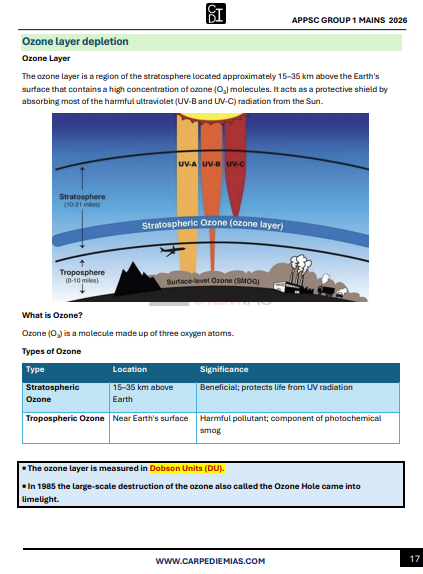
- Ozone layer depletion, Acid rain. Global Warming and its impactsఓజోన్ పొర క్షీణత, ఆమ్ల వర్షం. గ్లోబల్ వార్మింగ్ మరియు దాని ప్రభావాలు
- Environmental legislation: International Law, Montreal protocol, Kyoto protocol, United Nations Framework Convention on Climate change, CITESపర్యావరణ చట్టం: అంతర్జాతీయ చట్టం, మాంట్రియల్ ప్రోటోకాల్, క్యోటో ప్రోటోకాల్, ఐక్యరాజ్యసమితి వాతావరణ మార్పు ఫ్రేమ్వర్క్ కన్వెన్షన్, సైటెస్
- The Environment (Protection) act 1986, Forest conservation Act, Wildlife protection act. Biodiversity Bill of India - COP 21 - Sustainable Development Goalsపర్యావరణ (రక్షణ) చట్టం 1986, అటవీ సంరక్షణ చట్టం, వన్యప్రాణి సంరక్షణ చట్టం. భారత జీవవైవిధ్య బిల్లు - COP 21 - స్థిరమైన అభివృద్ధి లక్ష్యాలు
- National Disaster Management Policy, 2016 of India and Disaster management initiatives in Indiaభారత జాతీయ విపత్తు నిర్వహణ విధానం, 2016 మరియు భారతదేశంలో విపత్తు నిర్వహణ చర్యలు
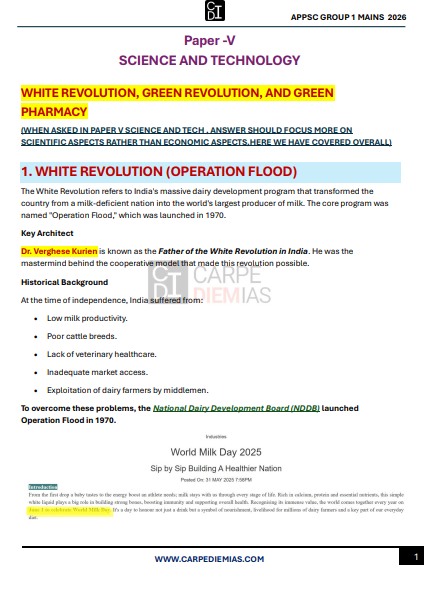
- White Revolution, Green Revolution, and Green Pharmacyవైట్ రివల్యూషన్, గ్రీన్ రివల్యూషన్, మరియు గ్రీన్ ఫార్మసీ
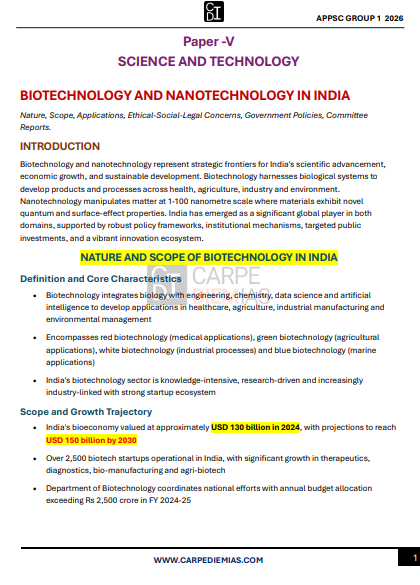
- Nature, Scope and Applications of Biotechnology and Nanotechnology in India; Ethical, Social and Legal concerns, Government policiesభారతదేశంలో బయోటెక్నాలజీ మరియు నానోటెక్నాలజీ ొక్క స్వభావం, పరిధి మరియు అనువర్తనాలు; నైతిక, సామాజిక మరియు చట్టపరమైన ఆందోళనలు, ప్రభుత్వ విధానాలు
- Genetic engineering, issues related to it and its impact on human life. Bio – diversity, fermentation, Immuno – diagnosis techniquesజెనెటిక్ ఇంజనీరింగ్, దానికి సంబంధించిన సమస్యలు మరియు మానవ జీవితంపై దాని ప్రభావం. బయో – వైవిధ్యం, ఫెర్మెంటేషన్, ఇమ్మ్యూనో – డయాగ్నోసిస్ టెక్నిక్స్
- Human diseases - microbial infections. Common infections and preventive measures. Introduction to bacterial, viral, protozoal and fungal infectionsమానవ వ్యాధులు - సూక్ష్మజీవుల సంక్రమణలు. సాధారణ సంక్రమణలు మరియు నివారణ చర్యలు. బ్యాక్టీరియల్, వైరల్, ప్రోటోజోయల్ మరియు ఫంగల్ సంక్రమణల పరిచయం
- Basic knowledge of infections - diarrhoea, dysentery, cholera, tuberculosis, malaria, viral infections like HIV, Encephalitis, Chikungunya, bird flu - preventive measures during outbreaksసంక్రమణల ప్రాథమిక జ్ఞానం - అతిసారం, పెగిలే, కలరా, క్షయ, మలేరియా, HIV, ఎన్సెఫాలిటిస్, చికున్గూన్యా, బర్డ్ ఫ్లూ వంటి వైరల్ సంక్రమణలు - ప్రకోపాల సమయంలో నివారణ చర్యలు
- Introduction to Genetic Engineering and Biotechnology. Basic concepts of genetic engineering. Tissue culture methods and applicationsజెనెటిక్ ఇంజనీరింగ్ మరియు బయోటెక్నాలజీ పరిచయం. జెనెటిక్ ఇంజనీరింగ్ యొక్క ప్రాథమిక భావనలు. టిష్యూ కల్చర్ పద్ధతులు మరియు అనువర్తనాలు
- Biotechnology in agriculture - Bio-pesticides, Bio-fertilizers, Bio-fuels, Genetically modified crops. Animal husbandry - transgenic animalsవ్యవసాయంలో బయోటెక్నాలజీ - బయో-పెస్టిసైడ్స్, బయో-ఎరువులు, బయో-ఇంధనాలు, జెనెటికల్గా మార్చబడిన పంటలు. జంతు సంవర్ధకం - ట్రాన్స్జెనిక్ జంతువులు
- Vaccines: Introduction to immunity, Fundamental concepts in vaccination, Production of Modern Vaccines (production of Hepatitis vaccine)వ్యాక్సిన్లు: రోగనిరోధకత పరిచయం, వ్యాక్సినేషన్లో ప్రాథమిక భావనలు, ఆధునిక వ్యాక్సిన్ల ఉత్పత్తి (హెపటైటిస్ వ్యాక్సిన్ ఉత్పత్తి)
- Issues related to Intellectual Property Rights in the field of Science and Technology. Promotion of Science in AP and Indiaశాస్త్రం మరియు సాంకేతికత రంగంలో బౌద్ధిక ఆస్తి హక్కులకు సంబంధించిన సమస్యలు. ఆంధ్రప్రదేశ్ మరియు భారతదేశంలో శాస్త్రం ప్రోత్సాహం
Frequently Asked Questions
తరచుగా అడిగే ప్రశ్నలు
Quick answers to common doubts about the APPSC Group 1 Syllabus and exam pattern.
ఏపీపీఎస్సీ గ్రూప్-1 సిలబస్ మరియు పరీక్షా విధానం గురించి సాధారణ సందేహాలకు త్వరిత సమాధానాలు.
Q1
ప్ర 1
What is the APPSC Group 1 Syllabus 2026?
APPSC గ్రూప్-1 సిలబస్ 2026 అంటే ఏమిటి?
APPSC Group 1 Syllabus 2026 includes Preliminary Exam (Paper I: General Studies with History, Polity, Economy, Geography; Paper II: General Aptitude with Mental Ability, Science & Tech, Current Affairs) and Mains Exam (English, Telugu, General Essay, History & Geography, Polity & Governance, Economy & Development, Science & Technology). Detailed topic-wise syllabus is provided above on this page.
APPSC గ్రూప్-1 సిలబస్ 2026లో ప్రిలిమినరీ పరీక్ష (పేపర్-1: చరిత్ర, పాలనా వ్యవస్థ, ఆర్థిక వ్యవస్థ, భూగోళశాస్త్రంతో జనరల్ స్టడీస్; పేపర్-2: మానసిక సామర్థ్యం, శాస్త్రం & సాంకేతికత, ప్రస్తుత వ్యవహారాలతో జనరల్ ఆప్టిట్యూడ్) మరియు మెయిన్స్ పరీక్ష (ఇంగ్లీష్, తెలుగు, జనరల్ ఎస్సే, చరిత్ర & భూగోళశాస్త్రం, పాలనా వ్యవస్థ & పాలన, ఆర్థిక వ్యవస్థ & అభివృద్ధి, శాస్త్రం & సాంకేతికత) ఉంటాయి. వివరణాత్మక విషయాల వారీగా సిలబస్ ఈ పేజీలో పై అందించబడింది.
Q2
ప్ర 2
What is the exam pattern for APPSC Group 1?
APPSC గ్రూప్-1 పరీక్షా విధానం ఏమిటి?
APPSC Group 1 has three stages: 1) Preliminary Exam - Two objective papers of 120 marks each (2 hours each), 2) Mains Exam - Five descriptive papers of 150 marks each (3 Hours each) plus two qualifying language papers, 3) Interview. Prelims is qualifying; Mains and Interview determine final merit.
APPSC గ్రూప్-1కి మూడు దశలు ఉన్నాయి: 1) ప్రిలిమినరీ పరీక్ష - ప్రతిది 120 మార్కుల రెండు ఆబ్జెక్టివ్ పేపర్లు (ప్రతిది 2 గంటలు), 2) మెయిన్స్ పరీక్ష - ప్రతిది 150 మార్కుల ఐదు వివరణాత్మక పేపర్లు (ప్రతిది 3 గంటలు) మరియు రెండు అర్హత భాషా పేపర్లు, 3) ఇంటర్వ్యూ. ప్రిలిమ్స్ అర్హత; మెయిన్స్ మరియు ఇంటర్వ్యూ చివరి మెరిట్ను నిర్ణయిస్తాయి.
Q3
ప్ర 3
Is APPSC Group 1 Prelims qualifying in nature?
APPSC గ్రూప్-1 ప్రిలిమ్స్ అర్హత స్వభావం కలిగి ఉందా?
Yes, the APPSC Group 1 Preliminary Examination is qualifying/screening in nature. Marks obtained in Prelims are not counted for final merit ranking. Only candidates who secure minimum qualifying marks (generally 30% for General, 25% for Reserved categories) in each Prelims paper are eligible to appear for Mains Examination.
అవును, APPSC గ్రూప్-1 ప్రిలిమినరీ పరీక్ష అర్హత/స్క్రీనింగ్ స్వభావం కలిగి ఉంది. ప్రిలిమ్స్లో పొందిన మార్కులు చివరి మెరిట్ ర్యాంకింగ్ కోసం లెక్కించబడవు. ప్రతి ప్రిలిమ్స్ పేపర్లో కనీస అర్హత మార్కులు (సాధారణంగా జనరల్కు 30%, రిజర్వ్డ్ వర్గాలకు 25%) సాధించిన అభ్యర్థులు మాత్రమే మెయిన్స్ పరీక్షకు అర్హులు.
Q4
ప్ర 4
What are the subjects in APPSC Group 1 Mains?
APPSC గ్రూప్-1 మెయిన్స్లో ఏ విషయాలు ఉన్నాయి?
APPSC Group 1 Mains includes: Paper I - General Essay, Paper II - History, Culture & Geography of India & Andhra Pradesh, Paper III - Polity, Constitution, Governance, Law & Ethics, Paper IV - Economy & Development of India & Andhra Pradesh, Paper V - Science & Technology. Plus qualifying English and Telugu papers (30% minimum required).
APPSC గ్రూప్-1 మెయిన్స్లో ఇవి ఉన్నాయి: పేపర్-1 - జనరల్ ఎస్సే, పేపర్-2 - భారతదేశ & ఆంధ్రప్రదేశ చరిత్ర, సంస్కృతి & భూగోళశాస్త్రం, పేపర్-3 - పాలనా వ్యవస్థ, రాజ్యాంగం, పాలన, చట్టం & నైతికత, పేపర్-4 - భారతదేశ & ఆంధ్రప్రదేశ ఆర్థిక వ్యవస్థ & అభివద్ధి, పేపర్-5 - శాస్త్రం & సాంకేతికత. ప్లస్ అర్హత ఇంగ్లీష్ మరియు తెలుగు పేపర్లు (కనీసం 30% అవసరం).
Q5
ప్ర 5
How to download APPSC Group 1 Syllabus PDF?
APPSC గ్రూప్-1 సిలబస్ పీడీఎఫ్ను ఎలా డౌన్లోడ్ చేసుకోవాలి?
You can download the complete APPSC Group 1 Syllabus PDF by clicking the "Prelims Syllabus PDF" or "Mains Syllabus PDF" buttons on this page. The official syllabus is also available on the APPSC website psc.ap.gov.in under the Notifications/Examinations section.
ఈ పేజీలోని "ప్రిలిమ్స్ సిలబస్ పీడీఎఫ్" లేదా "మెయిన్స్ సిలబస్ పీడీఎఫ్" బటన్లపై క్లిక్ చేయడం ద్వారా మీరు పూర్తి APPSC గ్రూప్-1 సిలబస్ పీడీఎఫ్ను డౌన్లోడ్ చేసుకోవచ్చు. అధికారిక సిలబస్ APPSC వెబ్సైట్ psc.ap.gov.inలో నోటిఫికేషన్లు/పరీక్షల విభాగంలో కూడా అందుబాటులో ఉంది.
Q6
ప్ర 6
What is the negative marking in APPSC Group 1 Prelims?
APPSC గ్రూప్-1 ప్రిలిమ్స్లో నెగటివ్ మార్కింగ్ ఎంత?
Yes, APPSC Group 1 Prelims has negative marking of 1/3rd (33.33%) of the marks assigned to a question. For every wrong answer, 0.33 marks are deducted. There is no negative marking in Mains examination.
అవును, APPSC గ్రూప్-1 ప్రిలిమ్స్లో ప్రతి ప్రశ్నకు కేటాయించిన మార్కులలో 1/3వ వంతు (33.33%) నెగటివ్ మార్కింగ్ ఉంటుంది. ప్రతి తప్పు సమాధానానికి 0.33 మార్కులు తగ్గించబడతాయి. మెయిన్స్ పరీక్షలో నెగటివ్ మార్కింగ్ లేదు.
Q7
ప్ర 7
Can I write APPSC Group 1 Mains in Telugu medium?
APPSC గ్రూప్-1 మెయిన్స్ను తెలుగు మాధ్యమంలో రాయవచ్చా?
Yes, APPSC Group 1 Mains can be written in either English or Telugu medium. Candidates can choose their preferred medium while filling the application form. However, the qualifying language papers (English & Telugu) are compulsory for all candidates regardless of medium choice.
అవును, APPSC గ్రూప్-1 మెయిన్స్ను ఇంగ్లీష్ లేదా తెలుగు మాధ్యమంలో రాయవచ్చు. అభ్యర్థులు దరఖాస్తు ఫారం నింపేటప్పుడు తమ ఇష్టమైన మాధ్యమాన్ని ఎంచుకోవచ్చు. అయినప్పటికీ, అర్హత భాషా పేపర్లు (ఇంగ్లీష్ & తెలుగు) మాధ్యమ ఎంపికతో సంబంధం లేకుండా అందరు అభ్యర్థులకు తప్పనిసరి.
Q8
ప్ర 8
How many attempts are allowed for APPSC Group 1?
APPSC గ్రూప్-1 కోసం ఎన్ని ప్రయత్నాలు అనుమతించబడతాయి?
General category candidates get 4 attempts for APPSC Group 1, while reserved categories (BC, SC, ST) get unlimited attempts till the upper age limit (42 years for General, 47 years for BC/SC/ST). EBC candidates get 5 attempts.
జనరల్ వర్గం అభ్యర్థులకు APPSC గ్రూప్-1 కోసం 4 ప్రయత్నాలు లభిస్తాయి, రిజర్వ్డ్ వర్గాలు (BC, SC, ST) గరిష్ట వయస్సు పరిమితి వరకు (జనరల్కు 42 సంవత్సరాలు, BC/SC/STకి 47 సంవత్సరాలు) అపరిమిత ప్రయత్నాలు పొందుతాయి. EBC అభ్యర్థులకు 5 ప్రయత్నాలు లభిస్తాయి.
Q9
ప్ర 9
What is the age limit for APPSC Group 1 2026?
APPSC గ్రూప్-1 2026 కోసం వయస్సు పరిమితి ఎంత?
The age limit for APPSC Group 1 2026 is 21-42 years for General category, 21-47 years for BC/SC/ST categories. Age relaxation is applicable for ex-servicemen and persons with disabilities as per government norms. The age is calculated as on July 1, 2026.
APPSC గ్రూప్-1 2026 కోసం వయస్సు పరిమితి జనరల్ వర్గానికి 21-42 సంవత్సరాలు, BC/SC/ST వర్గాలకు 21-47 సంవత్సరాలు. మాజీ సైనికులు మరియు వికలాంగులకు ప్రభుత్వ నిబంధనల ప్రకారం వయస్సు సడలింపు వర్తిస్తుంది. జూలై 1, 2026 నాటికి వయస్సు లెక్కించబడుతుంది.
Q10
ప్ర 10
Is APPSC Group 1 syllabus same as UPSC?
APPSC గ్రూప్-1 సిలబస్ UPSC తో సమానమా?
No, APPSC Group 1 syllabus is different from UPSC. While both cover similar subjects (History, Polity, Economy, Geography, Science), APPSC has heavy emphasis on Andhra Pradesh-specific topics (AP History, AP Geography, AP Economy, AP Reorganisation Act 2014). APPSC Mains has 5 papers while UPSC has 9 papers (including optional).
లేదు, APPSC గ్రూప్-1 సిలబస్ UPSC నుండి భిన్నంగా ఉంటుంది. రెండూ సారూప్య విషయాలను (చరిత్ర, పాలనా వ్యవస్థ, ఆర్థిక వ్యవస్థ, భూగోళశాస్త్రం, శాస్త్రం) కవర్ చేసినప్పటికీ, APPSC ఆంధ్రప్రదేశ్-నిర్దిష్ట అంశాలపై (AP చరిత్ర, AP భూగోళశాస్త్రం, AP ఆర్థిక వ్యవస్థ, AP పునర్వ్యవస్థీకరణ చట్టం 2014) భారీ దృష్టి పెడుతుంది. APPSC మెయిన్స్లో 5 పేపర్లు ఉండగా, UPSCలో 9 పేపర్లు (ఐచ్ఛికంతో సహా) ఉంటాయి.
Q11
ప్ర 11
When is the APPSC Group 1 Prelims 2026?
APPSC గ్రూప్-1 ప్రిలిమ్స్ 2026 ఎప్పుడు?
The APPSC Group 1 Screening Test (Prelims) is scheduled for 18-Oct-2026. Results will be announced on 01-Nov-2026. Last date to apply is 04-Sep-2026.
APPSC గ్రూప్-1 స్క్రీనింగ్ టెస్ట్ (ప్రిలిమ్స్) 18-అక్టోబర్-2026న నిర్ణయించబడింది. ఫలితాలు 01-నవంబర్-2026న ప్రకటించబడతాయి. దరఖాస్తు చేయడానికి చివరి తేదీ 04-సెప్టెంబర్-2026.
Q12
ప్ర 12
When is the APPSC Group 1 Mains Exam 2026?
APPSC గ్రూప్-1 మెయిన్స్ పరీక్ష 2026 ఎప్పుడు?
The APPSC Group 1 Main Exam is scheduled across two sessions: 19-Dec-2026 and 26-Dec-2026 (except 25-Dec). Main results will be released on 17-Jan-2027, followed by interviews on 02-Feb-2027 and 10-Feb-2027. Final selection list will be published on 28-Feb-2027.
APPSC గ్రూప్-1 మెయిన్ పరీక్ష రెండు సెషన్లలో నిర్ణయించబడింది: 19-డిసెంబర్-2026 మరియు 26-డిసెంబర్-2026 (25-డిసెంబర్ మినహా). మెయిన్ ఫలితాలు 17-జనవరి-2027న విడుదల చేయబడతాయి, తర్వాత 02-ఫిబ్రవరి-2027 మరియు 10-ఫిబ్రవరి-2027న ఇంటర్వ్యూలు నిర్వహించబడతాయి. తుది ఎంపిక జాబితా 28-ఫిబ్రవరి-2027న ప్రచురించబడుతుంది.
Q13
ప్ర 13
How many vacancies are there in APPSC Group 1 2026?
APPSC గ్రూప్-1 2026లో ఎన్ని ఖాళీలు ఉన్నాయి?
As per the AP Job Calendar 2026, 91 vacancies are notified for Group I Services by APPSC. The calendar also lists a total of 4,013 generalist posts across various departments including Group II Services (750), SI Recruitment (418), Constable Recruitment (1970), and more. Check the vacancy table above for complete details.
AP జాబ్ క్యాలెండర్ 2026 ప్రకారం, APPSC ద్వారా గ్రూప్-1 సేవలకు 91 ఖాళీలు నోటిఫై చేయబడ్డాయి. క్యాలెండర్లో గ్రూప్-2 సేవలు (750), SI నియామకం (418), కానిస్టేబుల్ నియామకం (1970) మరియు మరిన్ని సహా వివిధ విభాగాలలో మొత్తం 4,013 జనరలిస్ట్ పోస్టులు జాబితా చేయబడ్డాయి. పూర్తి వివరాల కోసం పైన ఖాళీల పట్టికను తనిఖీ చేయండి.