
Women’s Health Risks from Rising Heat:
The Study
Conducted by the M.S. Swaminathan Research Foundation (MSSRF), Chennai.
Covered seven States to examine the physical, mental and financial impacts of extreme heat on women.
Used National Family Health Survey data along with India Meteorological Department heat maps to classify districts into high, medium and low heat vulnerability index (HVI) categories.
Included primary surveys with 3,300 women and focus group discussions.
Physical Health Impacts
Around 70 per cent of women in high HVI districts reported fatigue, dizziness, dehydration and gastrointestinal discomfort during peak heat months.
Higher vulnerability among women who were poor, from rural areas, lower castes or engaged in informal work.
Most symptoms occurred among women aged 20 to 45 years.
Reproductive health issues included urinary tract infections, irregular bleeding and menstrual cycle disruptions.
Treatment-seeking for reproductive issues remained very low.
Economic Impacts
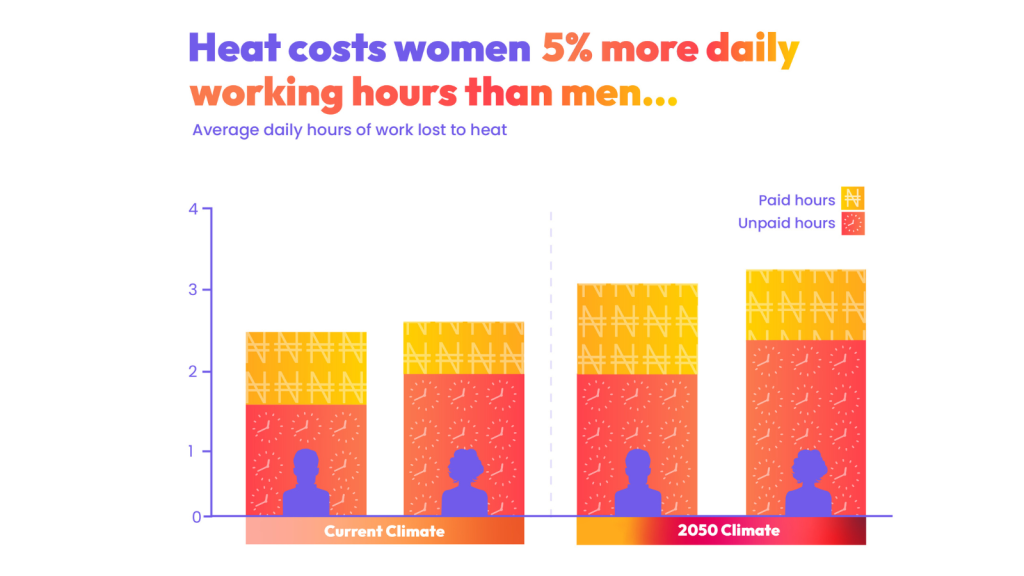
Nearly 97 per cent of women reported wage losses exceeding ₹1,500 during April, May and June.
Women in informal work and low-income households suffered the greatest financial setbacks.
Heat-related wage loss further increased existing social and economic vulnerabilities.
Psychosocial and Mental Health Impacts
Women experienced heightened anxiety, anger, irritability, restlessness and stress during peak heat periods.
Sleep disturbances, including insomnia, were common.
Stress worsened due to overcrowded homes, frequent power outages and the burden of unpaid domestic labour.
Violence and Social Vulnerability
About 38 per cent of women had experienced violence at least once.
Nearly 72 per cent reported increased violence during the summer months.
Findings suggest a strong connection between extreme heat, economic strain and rising household tensions.
Policy Gaps and Significance
Women’s experiences are often missing from climate policies and health preparedness strategies.
The study underscores the need for integrating gender perspectives into heat action planning.
Mains Practice
Q. Extreme heat disproportionately affects women in socio-economically vulnerable groups.Discuss the physical, mental and economic impacts of heat stress on women in India, with reference to recent evidence from field studies.