
Wheat Cultivation in Desert Using Soilification Technology
What happened?
An innovative experiment has been carried out to grow wheat for the first time in Rajasthan’s arid lands using desert ‘soilification’ technology. This method, powered by an indigenous bioformulation, shows promise in halting the spread of the Thar desert towards the National Capital Region. The problem of desertification has been worsening due to the gradual destruction of the Aravalli ranges.
With challenges such as irregular rainfall, expansion of sand dunes, unscientific plantation drives, and land degradation, researchers at the Central University of Rajasthan (CUoR) initiated wheat farming in the desert.
How does it work?
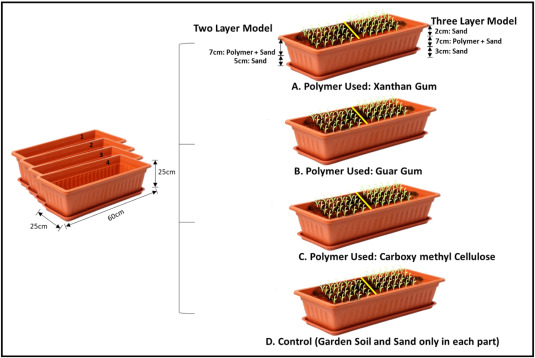
The technique involves modifying desert sand into soil-like material using polymers, which unlocks its agricultural potential. After successful laboratory trials with three bioformulations on crops like bajra, guar gum, and chickpea, the researchers moved their scientific exploration to an actual agricultural field to test wheat cultivation.
Converts desert sand into soil-like material using polymers.
-
Improves water retention, soil structure, and microbial activity.
Results:
Wheat (indigenous variety 4079) sown on 1,000 sq. metres desert land (Nov 2024).
Required only 3 irrigations (normal wheat needs 5–6).
Yield: 26 kg per 100 sq. metres (Seed-to-harvest ratio 1:20, double of normal arid land farming).
Showed higher stress resistance and productivity.
Why important?
Could stop expansion of the Thar desert towards Delhi-NCR.
Helps fight desertification, worsened by destruction of Aravallis, erratic rainfall, and sand dune spread.
Saves water (critical in arid regions).
Shows potential for food security in drylands.
A bioformulation is a product or mixture containing beneficial microorganisms and/or their metabolic products, designed to enhance plant growth, protect against diseases, and improve soil health in a sustainable, eco-friendly way.
These formulations serve as alternatives to synthetic chemicals and can be classified as biofertilizers, biostimulants, or bioprotectants, with applications ranging from horticulture to general agriculture