
toll reform
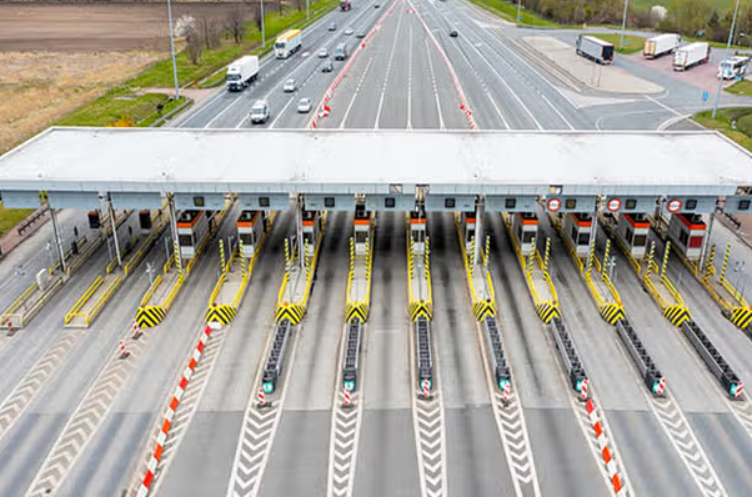
Why toll reform is needed
-
Toll collection on National Highways has become perpetual, even after the recovery of construction and maintenance costs.
-
Rates are revised annually (3% + WPI-linked), without an independent review mechanism.
-
Toll collections have risen sharply (₹1,046 crore in 2005–06 → ₹55,000 crore in 2023–24), with a substantial share going to the Consolidated Fund of India even after concession periods end.
-
Motorists often face congestion, poor road quality, and incomplete stretches under construction despite paying toll.
Public Accounts Committee (PAC) Recommendations
(Report tabled in Parliament, August 12, 2025)
-
End perpetual tolling
-
Discontinue or reduce tolls once capital costs + Operation and maintenance O&M costs are recovered.
-
Beyond cost recovery, tolling should only continue if clearly justified and approved by an independent oversight authority.
-
-
Independent Regulatory Authority
-
Establish a specialised authority to ensure transparency, fairness, and accountability in toll fixation, collection, and monitoring.
-
-
Toll reimbursement during construction
-
Highway users should be compensated/refunded if road stretches are under construction or partially closed.
-
-
FASTag reforms
-
Despite high adoption, bottlenecks persist due to malfunctioning scanners.
-
Set up on-location service kiosks at plazas for motorists to:
-
top-up balance,
-
buy new FASTags,
-
replace faulty devices.
-
-
Current Legal Framework
-
National Highways Act, 1956:
-
Section 7 → allows levy of user fee.
-
Section 9 → Union government makes rules.
-
-
National Highways Fee (Determination of Rates and Collection) Rules, 2008:
-
Fees levied by govt. (public projects) or concessionaire ( Build Operate Transfer (BoT), Toll-Operate-Transfer (ToT) or developed under Infrastructure Investment Trust).
-
Amendment in 2008 → toll in perpetuity (even after concession, tolls go to Consolidated Fund).
-
Ministry’s Response
-
Acknowledged PAC’s concerns.
-
With NITI Aayog, has initiated a comprehensive review of toll policy.
-
Study will consider:
-
vehicle operating costs,
-
road damage by vehicles,
-
user willingness to pay,
-
rational fee determination framework.
-
Key Takeaway
The PAC’s recommendations push for a shift from revenue-maximisation to user-centric accountability in tolling. Ending perpetual tolling, ensuring refunds during disruptions, and improving FASTag efficiency could restore fairness in highway use and build trust among commuters.