
Spiders of India
1. New Species Discovery
Pilia malenadu
Newly discovered jumping spider species.
Found in Western Ghats, Chikkamagaluru, Northern Karnataka.
Jumping spiders:
Among the most abundant spider families.
Possess eight eyes → exceptional vision.
Colour vision (rare among arthropods).
Extreme agility, catch prey without webs.
These spiders were found only two plant species — Memecylon umbellatum and Memecylon malabaricum.
The spiders are habitat specific

2. Chrysilla volupe
Known for bright, vivid colours — magenta, blue, green.
Males perform courtship dances: raise legs, display colours to attract females.
One of India's most striking spiders.

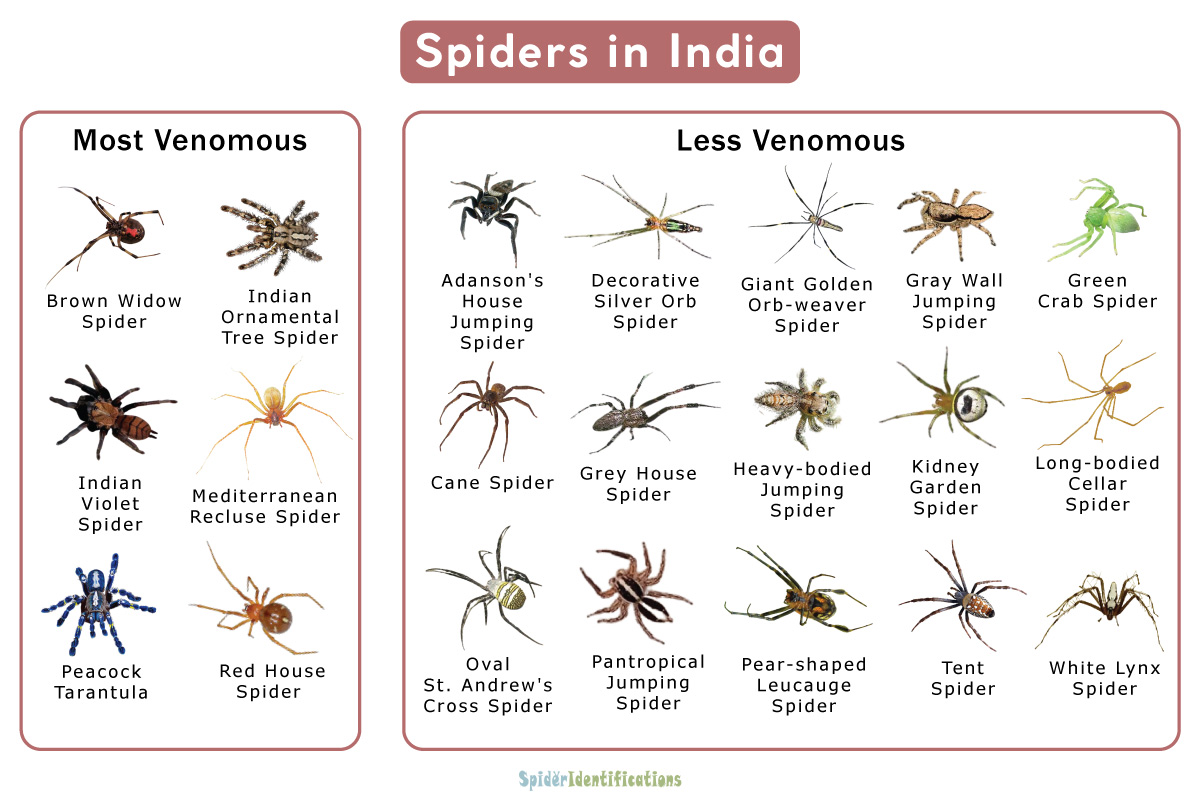
3. Indian Ornamental Tarantula
Indian version of the classic large hairy tarantula.
Named for its ornamental patterned body.
Some individuals grow almost the size of a dinner plate.
Bite is painful but not deadly, unlike the black widow spider.

4. Social Spiders – S. sarasironum
Exhibit social behaviour: group hunting & group web-building.
Prefer thorny acacia trees — provide structural support.
Webs can be as big as cars.
Hunting strategy:
“Patrolling” spiders detect vibrations.
They assess prey size → bigger spiders arrive to subdue prey.
Web construction teamwork:
Some glide in the air to form sticky catching silk.
Others produce thick supporting silk, forming the main framework.
Colonies may contain hundreds of spiders.

5. Ecological Role
Spiders are natural pest controllers: feed on flies, mosquitoes, other insects.
Only a small fraction of Indian spiders are harmful to humans.
Prelims Practice MCQs
Q. Consider the following statements regarding jumping spiders:
They possess eight eyes and have colour vision.
They rely on large webs to catch prey.
The newly discovered species Pilia malenadu belongs to this group.
Which of the statements given above is/are correct?
A. 1 and 3 only
B. 2 only
C. 1 only
D. 1, 2 and 3
Answer: A
Explanation:
Statement 2 is incorrect — jumping spiders do not need webs for hunting.
Q. Consider the following statements about the Indian Ornamental Tarantula:
It is named for its distinctive patterned body.
It can grow to nearly the size of a dinner plate.
Its bite is as deadly as that of a black widow spider.
Which of the statements given above is/are correct?
A. 1 and 2 only
B. 1 only
C. 2 and 3 only
D. 1, 2 and 3
Answer: A
Explanation:
Statement 3 is incorrect — its bite is painful but not deadly.
Q. Consider the following statements:
Most spiders in India are dangerous to humans.
Spiders contribute to natural pest control.
Social spiders use vibration sensing to detect prey caught in their webs.
Which of the statements given above is/are correct?
A. 2 and 3 only
B. 1 and 3 only
C. 3 only
D. 1, 2 and 3
Answer: A
Explanation:
Statement 1 is incorrect — only a handful of species are venomous in India.