
Shipping Corporation of India & OMCs to Build Oil Fleet
Context
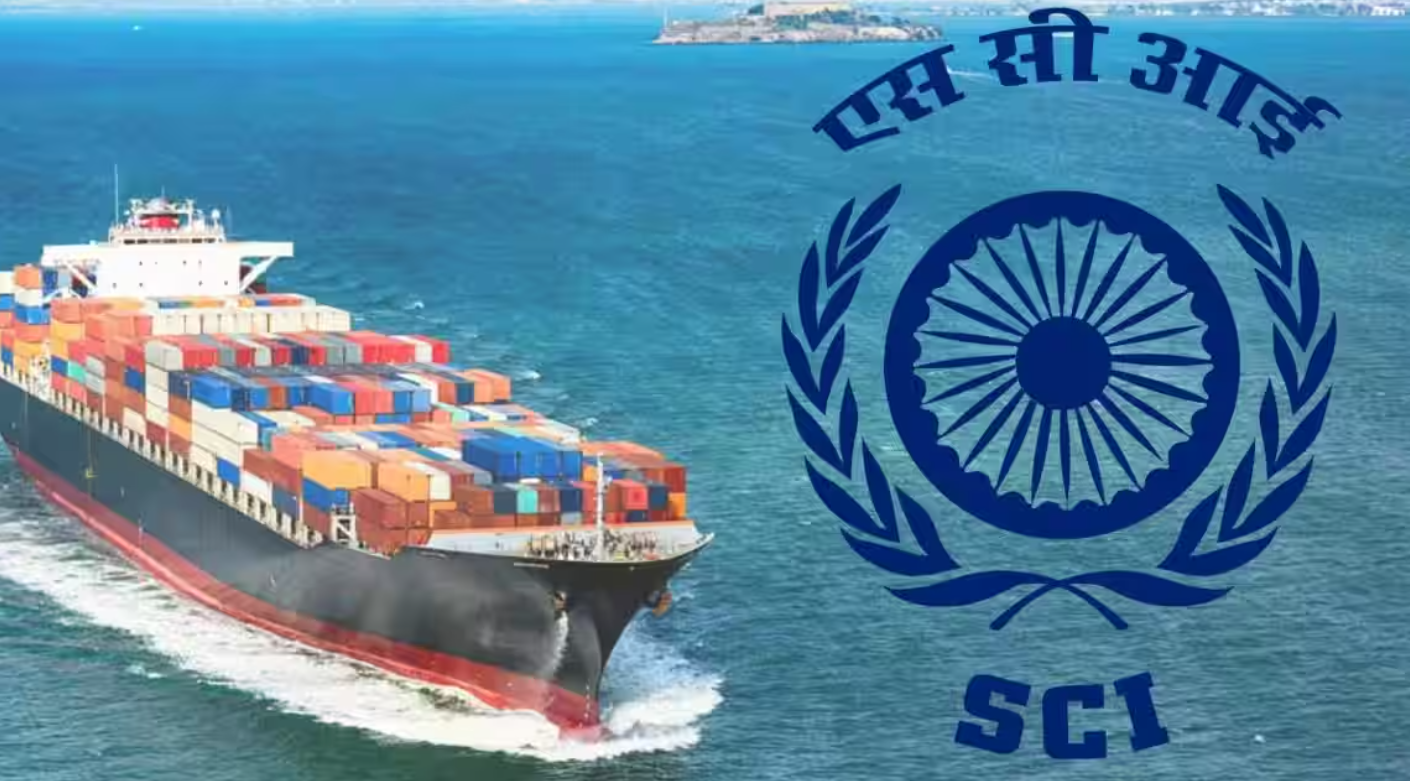
Shipping Corporation of India (SCI) and national oil marketing companies (IOCL, BPCL, HPCL) signed an MoU to jointly build, own, operate, and manage a fleet for transporting petroleum, products, petrochemicals, and other hydrocarbons.
Backed by the Ministry of Ports, Shipping & Waterways and the Ministry of Petroleum & Natural Gas.
Key Objectives
Enhance Energy Security
Reduce dependence on foreign shipping companies.
Ensure reliable transport of oil & gas in global crisis scenarios.
Atmanirbhar Bharat Vision
Strengthen domestic shipping capacity.
Reduce freight bill in foreign exchange.
Strategic & Commercial Significance
Support international trade & coastal shipping.
Build capability for future energy transport (LNG, green fuels, petrochemicals).
Significance for India
Economic: India imports ~85% of crude oil; freight costs are a major forex burden. Owning fleet reduces outflow.
Strategic: In case of global conflicts (e.g., Red Sea/Houthi disruptions), self-owned tankers provide supply-chain resilience.
Industrial: Boosts shipbuilding & maritime ecosystem (linked to Maritime India Vision 2030).
Geopolitical: Positions India as a stronger player in global oil transport networks.
Challenges
High capital intensity in fleet acquisition & operations.
Global competition from established shipping majors (China, Greece, Norway).
Need for skilled workforce and world-class shipyards.
Volatility in oil markets may affect viability.
Way Forward
Align with Sagarmala and National Logistics Policy for seamless maritime infrastructure.
Explore PPP models for faster fleet expansion.
Invest in future-ready ships (LNG-fuelled, hydrogen/ammonia compatible).
Develop coastal shipping hubs to reduce road-rail dependency for petroleum transport.
Shipping Corporation of India (SCI)
Overview
Indian Public Sector Undertaking (PSU).
Ownership: Government of India holds 63.75% stake.
Administrative control: Ministry of Ports, Shipping and Waterways.
Headquarters: Mumbai.
Founded: 2 October 1961 (through amalgamation of Eastern Shipping Corporation & Western Shipping Corporation).
Fleet & Services
Started with 19 vessels (1961).
Currently operates ~80 ships, ~59 lakh tonnes deadweight (DWT).
Segments include:
Bulk carrier & tanker services
Cruise liner & passenger services
Offshore services
Inland & Coastal Shipping Ltd. (ICSL) (subsidiary for inland/coastal transport, established 2016).
History & Milestones
Mergers:
Jayanti Shipping Company (1973).
Mogul Lines Limited (1986).
Notable vessels:
MV Goa (built 1997, Hindustan Shipyard).
Maharshi Parashuram (built 2002, Cochin Shipyard).
Gender milestone: In 2003, recruited first batch of women nautical officers (TNOC35).
Privatisation:
Approved by GoI in Nov 2019.
Delayed in 2022 due to Russo-Ukraine war (shipping uncertainty).