
Sex Reversal in Wild Australian Birds
Key Findings
-
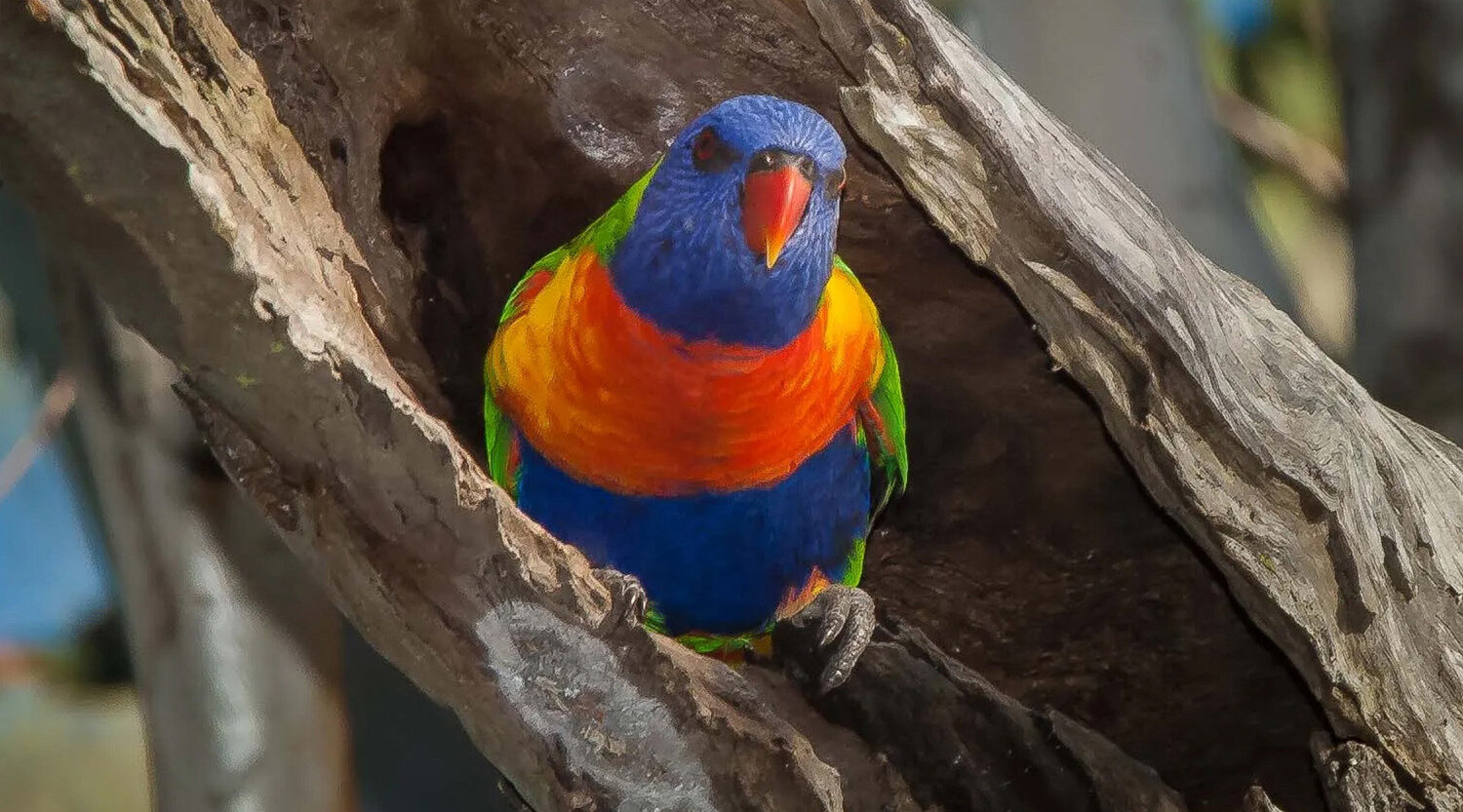
Species studied: 5 common Australian birds – including kookaburras, pigeons, magpies, and rainbow lorikeets.
-
Phenomenon observed: ~6% of birds had chromosomes of one sex but reproductive organs of the opposite sex.
-
Implication: Indicates post-birth (post-hatching) sex reversal in birds.
While sex reversal is known in fish, amphibians and reptiles, it is rarely documented in wild birds and mammals.
Scientific Significance
-
Typical bird sex determination:
-
Females: ZW chromosomes
-
Males: ZZ chromosomes
-
Usually fixed at fertilization.
-
-
Study’s revelation: Sex can change after birth, suggesting more fluid sex determination mechanisms.
Possible Causes / Triggers
-
Rising environmental pollution
-
Endocrine-disrupting chemicals in habitat
-
Climate-related factors (temperature extremes)
-
Other physiological or environmental stressors
Implications
-
Ecological – Potential impact on breeding success, population ratios, and species survival.
-
Conservation – Need to monitor environmental contaminants and habitat conditions.
-
Scientific research – Could alter current understanding of avian reproductive biology.