
Ocean Heatwaves and Earth's Tipping Point
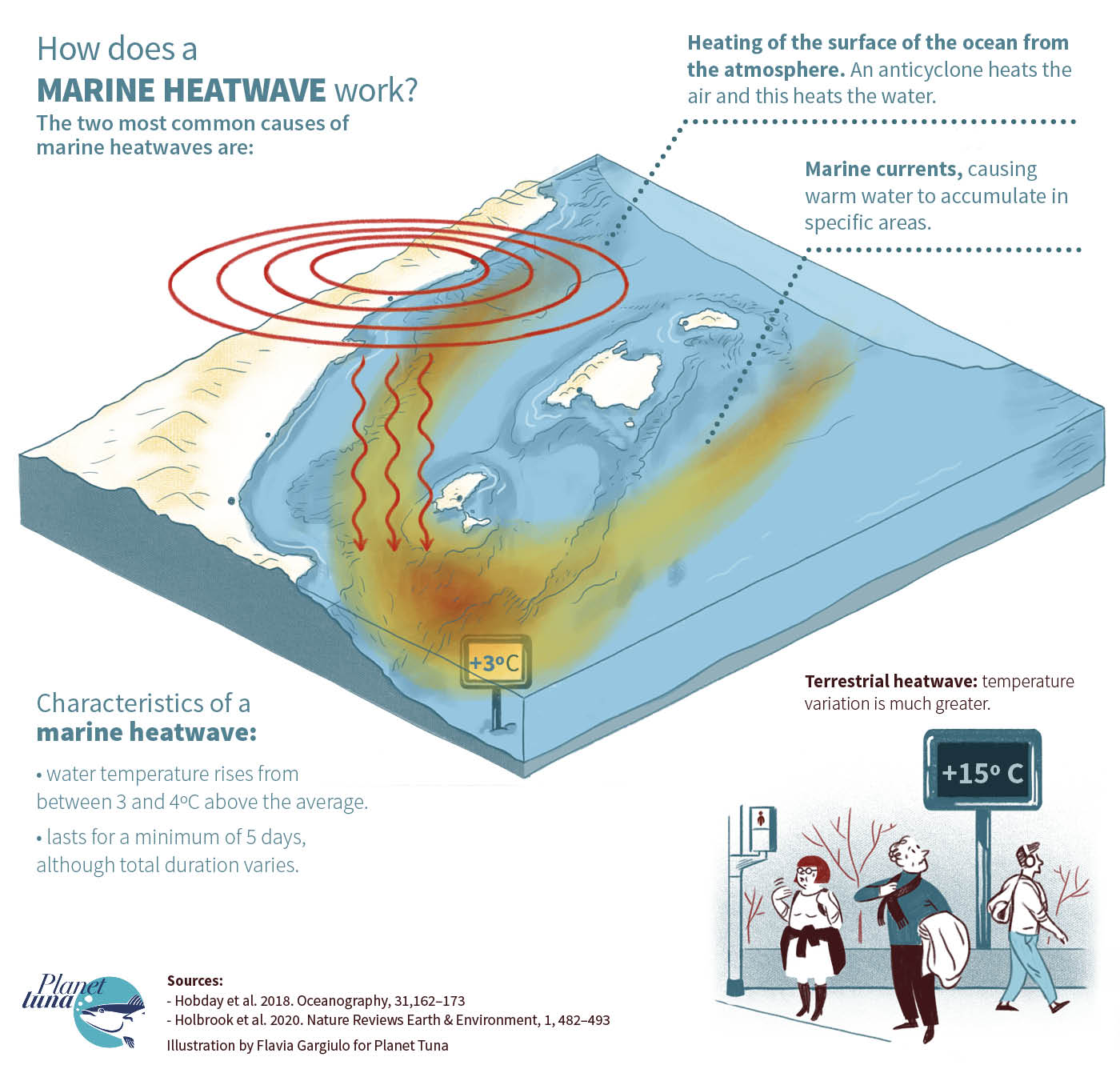
Context:
In 2023, the world saw the most intense ocean heatwaves ever recorded. These are periods when the surface of the ocean becomes much hotter than normal.
How Hot Did It Get?
The sea surface temperatures stayed above the top 10% of usual temperatures for up to 120 days in 96% of the oceans.
This caused what scientists call 53.6 billion degrees Celsius-days of thermal stress — meaning an enormous amount of heat stress was spread over time and space in the oceans.
According to IPCC:

What Caused It?
Different oceans heated up for different reasons:
-
North Atlantic: Got extra sunshine and had a shallower upper layer, so it heated up faster.
-
Southwest Pacific: Had fewer clouds (so more sunlight) and stronger ocean currents, causing heat buildup.
-
North Pacific: Continued to gain heat over time without releasing it.
-
Equatorial East Pacific: Affected by El Niño, a climate pattern that changes ocean flows and adds heat.

Short-Term Drivers:
-
Weather fronts
-
Intraseasonal events (30–90 days)
-
Wind anomalies
Medium to Long-Term Drivers:
-
ENSO (El Niño–Southern Oscillation)
-
PDO (Pacific Decadal Oscillation)
-
Oceanic Kelvin waves
-
Atmospheric blocking patterns, jet streams
Local Drivers:
-
Ocean advection
-
Air-sea heat flux
-
Wind stress and thermocline stability
Teleconnections:
-
Climate linkages between distant regions (e.g., El Niño affecting distant oceans)
Why Is It Alarming?
Such extreme heating can:
-
Damage coral reefs, fisheries, and marine ecosystems.
-
Alter global weather patterns.
-
Indicate that the Earth might be nearing a climate tipping point, where changes become irreversible.
