
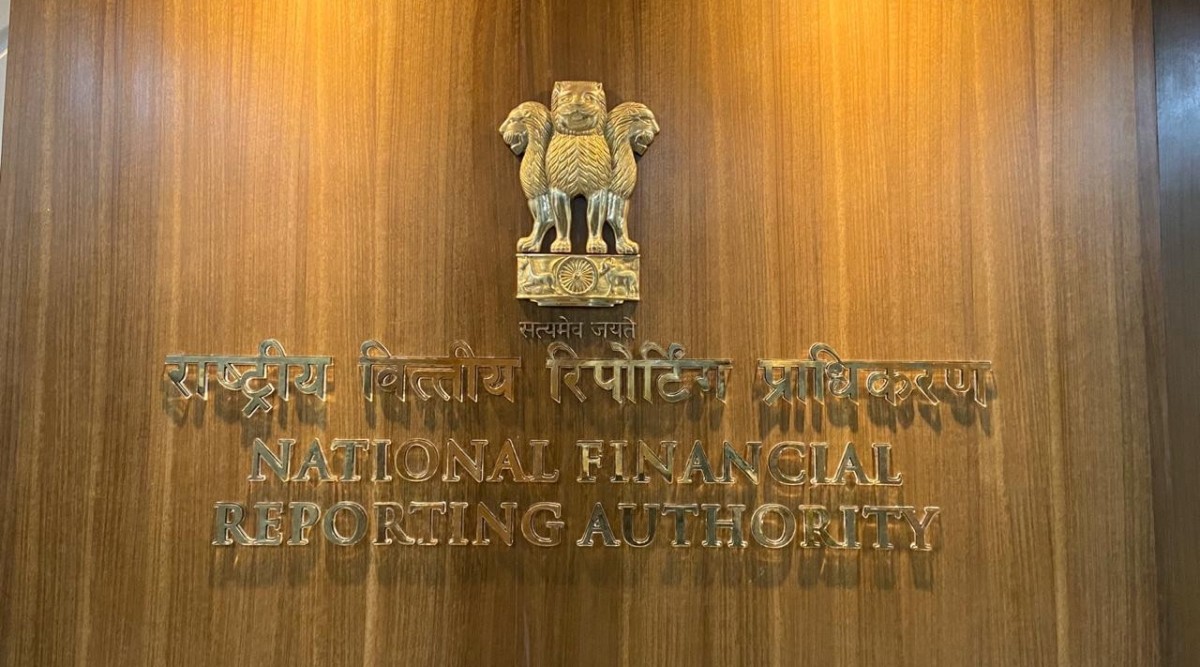
National Financial Reporting Authority (NFRA)
Introduction
Established: 1 October 2018.
Legal Basis: Section 132 of the Companies Act, 2013.
Nature: Independent statutory regulator for accounting and auditing profession in India.
Trigger Events:
Satyam Scandal (2009) → Standing Committee on Finance proposed the concept of the National Financial Reporting Authority (NFRA) for the first time in its 21st report
PNB Fraud (2018) → Union Cabinet approved NFRA for stricter oversight.
Composition
Chairperson: Nitin Gupta (as of July 2025).
Members: Full-time and part-time members appointed by the Central Government.
Jurisdiction
Listed companies (in India and abroad).
Unlisted public companies above prescribed thresholds.
Other entities referred by Central Government in public interest.
Excludes private companies (unless referred).
Functions & Powers (Sec. 132, Companies Act, 2013)
Standard-setting
Recommends accounting and auditing policies and standards to Central Government.
Oversight & Quality Review
Monitors services of auditors & audit firms.
Suggests measures for improvement.
Compliance & Enforcement
Ensures adherence to prescribed standards.
Mandates companies to file auditor details via NFRA-1.
Investigative Powers
Investigates cases of professional misconduct.
Powers to summon, inspect, and demand documents.
May impose penalties:
Monetary fines.
Debarment of auditors/firms up to 10 years.
Purpose and Significance
Transparency: Enhances credibility of corporate financial reporting.
Investor Confidence: Safeguards investors and stakeholders.
Globalisation: Aligns Indian practices with International Financial Reporting Standards (IFRS).
Economic Growth: Improves investment climate by ensuring reliable disclosures.
Public Interest: Acts against misconduct of auditors in large and sensitive companies.
Impact
Acts as a watchdog for corporate governance in financial reporting.
Ensures independence of auditing profession, earlier regulated only by the Institute of Chartered Accountants of India (ICAI).
Addresses conflict of interest and regulatory capture issues.
Criticism & Challenges
Overlap of jurisdiction with ICAI (turf battles).
Limited manpower & resources for vast coverage.
Compliance burden on companies, especially smaller entities.
Need for quicker enforcement to maintain deterrence.