
Microplastics in the Human Brain – Scientific Concerns and Global Policy Response
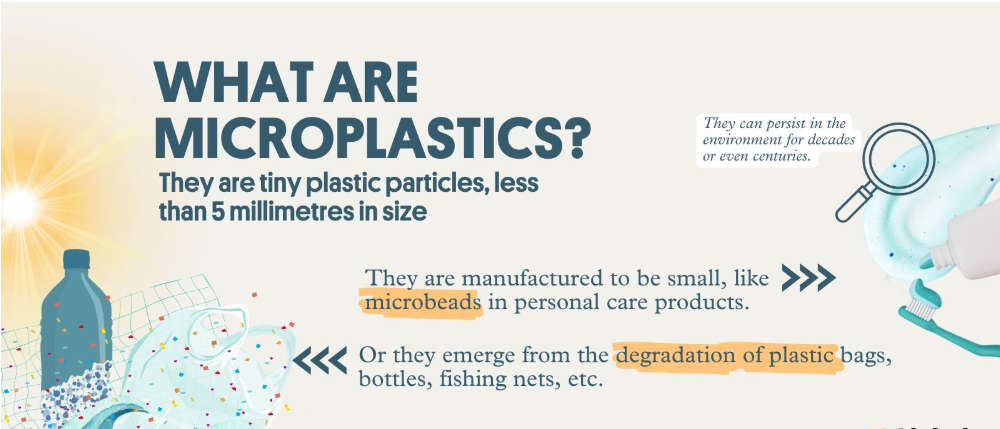
What are Microplastics?
-
Definition: Tiny plastic particles less than 5mm in size, derived from:
-
Primary sources: Microbeads in cosmetics, industrial abrasives.
-
Secondary sources: Breakdown of larger plastic items.
-
-
Nanoplastics: Even smaller particles (<100 nm), more likely to cross biological barriers.
Presence of Microplastics in Human Bodies
-
Detected in:
-
Lungs, heart, placenta, and bloodstream.
-
Crossing the blood-brain barrier (BBB), suggesting potential neurological exposure.
-
-
Found in:
-
Air, drinking water, packaged food, and processed salt.
-
Brain tissue, per recent studies.
-
Recent Scientific Study
-
Study context: 52 brain tissue samples from New Mexico (2016 vs. 2023).
-
Findings:
-
Increasing concentration of microplastics over time.
-
Estimated microplastic mass: Equivalent to 1 plastic spoon per brain.
-
-
Skepticism: Other toxicologists call for independent replication.
Potential Health Impacts (Still Under Research)
-
Neurotoxicity risk:
-
Disruption of neuronal signaling, inflammation, or oxidative stress.
-
Possible links to neurodegenerative disorders, though unproven.
-
-
Mechanism:
-
Plastics may act as carriers of toxic chemicals (e.g., phthalates, BPA).
-
Nanoplastics may trigger immune response in brain tissues.
-
Note: WHO and UNEP emphasize need for longitudinal health studies.
Global Policy Context
-
Plastic Treaty Talks:
-
UN Intergovernmental Negotiating Committee (INC) hosting 5th round of negotiations in Geneva, August 2025.
-
Aim: First legally binding international treaty to curb plastic pollution.
-
Core issues:
-
Production caps
-
Microplastic monitoring
-
Extended Producer Responsibility (EPR)
-
-
Plastic Production Trends
-
Global plastic production has:
-
Doubled since 2000
-
Projected to triple by 2060 (OECD estimate).
-
-
Concerns:
-
Rising single-use plastics
-
Poor waste management in developing economies
-
India-Specific Angle (for UPSC)
-
Plastic Waste Management Rules, 2016 (amended in 2022):
-
Ban on single-use plastics
-
Mandatory EPR compliance
-
-
National Action Plan on Marine Litter
-
Project REPLAN: Use of plastic in road construction by KVIC
-
India is a participant in the UN plastic treaty negotiations.
Critical Analysis
-
Ethical challenge: Long-term neurological impacts without consent or awareness.
-
Scientific gap: Lack of conclusive evidence makes policymaking complex.
-
Need of the hour:
-
Invest in bio-based alternatives
-
Develop international microplastic monitoring standards
-
Strengthen public health research and plastic lifecycle assessment.
-