
Julian Huxley: Architect of Global Conservation Policy
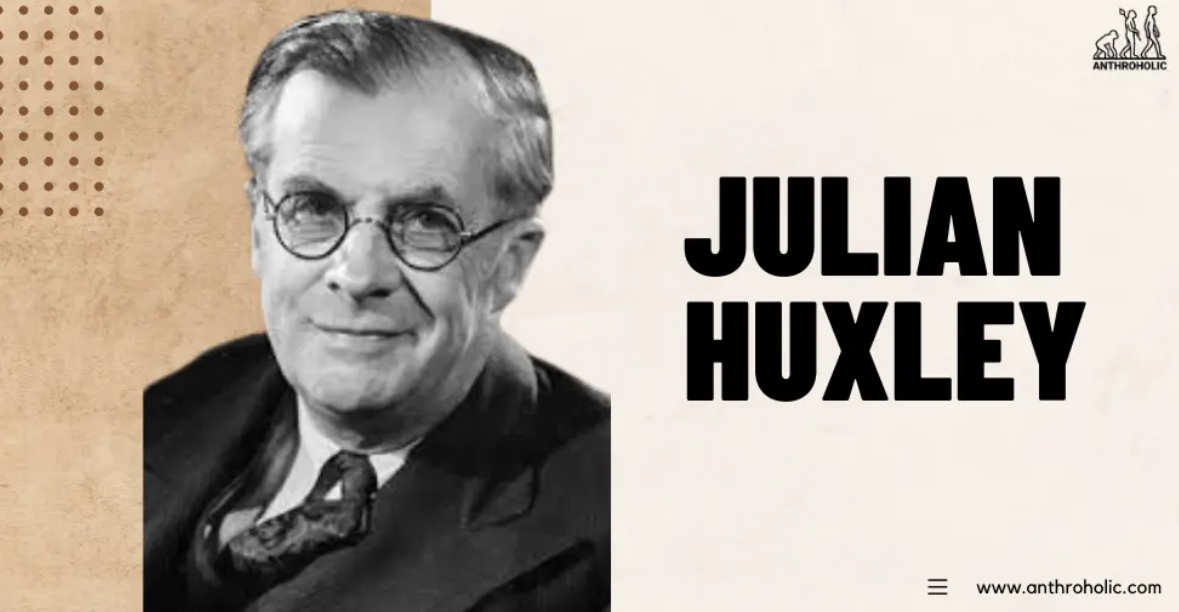
Background & Early Life
Career as Scientist & Communicator
-
Science Populariser:
-
Essays of a Biologist (1923).
-
The Science of Life (1930, with H.G. Wells and G.P. Wells).
-
Evolution: The Modern Synthesis (1942) — integrated genetics, palaeontology, embryology, systematics.
-
-
Style: Accessible writing, bridging science and public understanding.
-
Controversial Beliefs:
-
Advocate of eugenics, but not race-based.
-
Criticised Nazi racial purity, argued intra-racial variation > inter-racial differences (We Europeans, 1935).
-
UNESCO & Global Vision
-
Appointed first Director-General of UNESCO (1946).
-
Wrote UNESCO: Its Purpose and its Philosophy — two-fold mission:
-
Protect and present world heritage.
-
Conserve nature and “living beauty”.
-
-
Advocated evolutionary humanism as guiding philosophy.
Contributions to Global Conservation
-
Institution Building:
-
Pushed creation of International Union for Conservation of Nature (IUCN, 1948).
-
Laid foundations for CITES (1975).
-
-
IUCN Red List (1964): His push for scientific, centralised endangered species tracking inspired its development.
-
Other initiatives:
-
Co-founded British Trust for Ornithology (1933).
-
Key role in UK Council for Nature (1958).
-
Writings led to World Wildlife Fund (WWF, 1961).
-
Advocated World Parks — precursor to transboundary conservation parks (e.g., Great Limpopo Transfrontier Park, est. 2002).
-
Popular Influence
-
Narrated David Attenborough’s first documentary Coelacanth (1952).
-
Used networks of scientists, naturalists, administrators to institutionalize global conservation.
Legacy
-
Considered “father of conservation policy”, alongside figures like Aldo Leopold, Gifford Pinchot, Wangari Maathai.
-
His vision shifted “heritage” from monuments to include biodiversity and living ecosystems.