
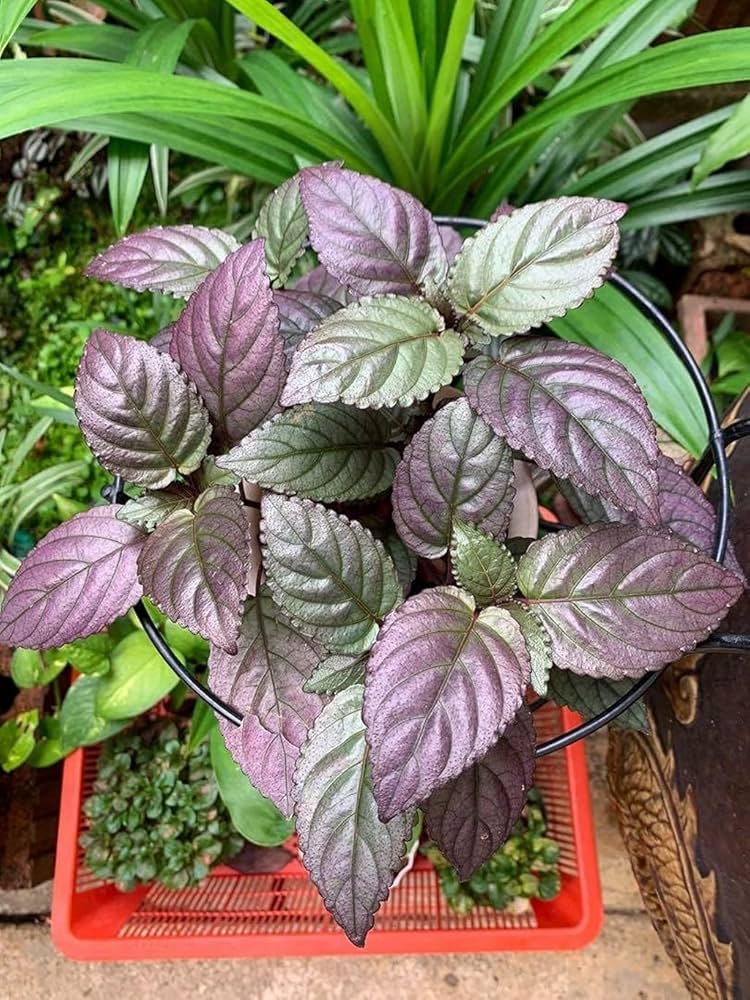
Innovative Wound-Healing Pad from Red Ivy Plant
Institution & Research
-
Developed by: Jawaharlal Nehru Tropical Botanic Garden & Research Institute (JNTBGRI), Palode, Thiruvananthapuram.
-
Division: Centre of Excellence in Phytochemical Nanotechnology.
Plant Source
-
Plant: Red Ivy (Strobilanthes alternata)
-
Local Name: Murikooti Pacha
-
Family: Acanthaceae
-
Traditional Use: Applied for cuts and wounds in folk medicine.
Scientific Breakthrough
-
New Molecule Identified: Acteoside (first time linked to red ivy).
Properties of Acteoside:
-
Natural compound.
-
Known pharmacological potential: antimicrobial, antioxidant, anti-inflammatory.
-
High efficacy even at 0.2% concentration.
-
Product Development
-
Innovation: Multi-layered wound-healing pad.
-
Technology Used: Electro-spun nanomaterials.
-
Features:
-
Nanofiber layer made of biodegradable and non-toxic polymers.
-
Incorporates acteoside + antibiotic neomycin sulfate.
-
Uses FDA-approved polymers.
-
Porous nanofiber structure → allows gas exchange, enabling wound to "breathe."
-
Significance
-
Bridges traditional knowledge with modern nanotechnology.
-
Potentially cost-effective, biodegradable, and multifunctional wound-healing solution.
-
Reflects India’s push for phytochemical-based biomedical innovations.
-
Enhances healthcare innovation rooted in indigenous resources.
Medicinal Plants in the News
1. Meizotropis pellita (Patwa)
-
Status: Critically Endangered.
-
Type: Perennial shrub, endemic to Uttarakhand.
-
Habitat: Restricted distribution; area of occupancy < 10 sq. km.
-
Threats: Deforestation, fragmentation, forest fires.
-
Medicinal Value:
-
Leaves produce essential oil with strong antioxidant properties.
-
Potential natural substitute for synthetic antioxidants in pharmaceutical industry.
Status: Critically Endangered.
Type: Perennial shrub, endemic to Uttarakhand.
Habitat: Restricted distribution; area of occupancy < 10 sq. km.
Threats: Deforestation, fragmentation, forest fires.
Medicinal Value:
-
Leaves produce essential oil with strong antioxidant properties.
-
Potential natural substitute for synthetic antioxidants in pharmaceutical industry.
2. Fritillaria cirrhosa (Himalayan fritillary)
-
Status: Vulnerable.
-
Type: Perennial bulbous herb.
-
Population Decline: At least 30% over 22–26 years.
-
Reasons: Poor germination, long generation length, high trade value, extensive harvesting, illegal trade.
-
Medicinal Value:
-
Used in Traditional Chinese Medicine.
-
Treats bronchial disorders, pneumonia.
-
Strong cough suppressant, expectorant drug source.
Status: Vulnerable.
Type: Perennial bulbous herb.
Population Decline: At least 30% over 22–26 years.
Reasons: Poor germination, long generation length, high trade value, extensive harvesting, illegal trade.
Medicinal Value:
-
Used in Traditional Chinese Medicine.
-
Treats bronchial disorders, pneumonia.
-
Strong cough suppressant, expectorant drug source.
3. Dactylorhiza hatagirea (Salampanja)
-
Status: Endangered.
-
Type: Perennial tuberous species.
-
Range: Endemic to Hindu Kush & Himalayan ranges (Afghanistan, Bhutan, China, India, Nepal, Pakistan).
-
Threats: Habitat loss, livestock grazing, deforestation, climate change.
-
Medicinal Value:
-
Extensively used in Ayurveda, Siddha, Unani.
-
Treats dysentery, gastritis, chronic fever, cough, stomach ache.
Status: Endangered.
Type: Perennial tuberous species.
Range: Endemic to Hindu Kush & Himalayan ranges (Afghanistan, Bhutan, China, India, Nepal, Pakistan).
Threats: Habitat loss, livestock grazing, deforestation, climate change.
Medicinal Value:
-
Extensively used in Ayurveda, Siddha, Unani.
-
Treats dysentery, gastritis, chronic fever, cough, stomach ache.
Plants Under Research & Development
-
Kanna Plant (Sceletium tortuosum)
-
Studied for effects on brain chemistry, endurance, mood.
-
Traditional use: By South African hunters for stamina.
-
-
Gymnema sylvestre (Gurmar)
-
Research into anti-diabetic potential.
-
Known in Ayurveda; natural link to Metformin source plant.
-
High-Demand Medicinal Crops (2025 Outlook)
-
Ashwagandha: Increasing demand in export & herbal wellness markets.
-
Other high-demand crops: Stevia, Kalmegh, Brahmi, Amla.
-
Source: Niche Agriculture projections for 2025.
Government & Institutional Initiatives
-
ICAR, Ministry of Ayush, CSIR: Agreement signed for R&D in medicinal plants & Ayurvedic foods.
-
ICAR Schemes: Promoting cultivation of medicinal plants on Ganga River banks.
-
Focus: Integration of traditional knowledge with modern science, support for farmers & herbal industry.