
Indian scientists develop affordable dipstick test for AMR surveillance
Context
Indian scientists have developed a low-cost, rapid dipstick assay to detect antimicrobial resistance (AMR) genes in sewage.
Developed by researchers from the Translational Health Science and Technology Institute (THSTI) Faridabad.
What is antimicrobial resistance (AMR)?
AMR occurs when microorganisms (bacteria, viruses, fungi, parasites) evolve mechanisms to withstand antimicrobial drugs.
Leads to:
Treatment failure
Longer illness duration
Higher healthcare costs
Increased mortality
India is considered a global hotspot for AMR due to:
High antibiotic consumption
Inadequate wastewater treatment
Pharmaceutical effluents
Over-the-counter antibiotic use
Why sewage-based AMR surveillance is important
Urban sewage acts as a reservoir of AMR genes.
Sewage provides a population-level snapshot of:
Antibiotic usage
Resistant microbes
Captures signals from:
Communities
Hospitals
Animal farms
Pharmaceutical industries
Considered:
Ethically acceptable
Economically feasible
Acts as an early warning system for emerging resistance.
About the dipstick assay
Basic principle
Detects AMR genes, not live pathogens.
Workflow:
Collection of sewage samples
Isolation of genetic material
Amplification of resistance genes (using PCR)
Application to dipstick with detection reagent
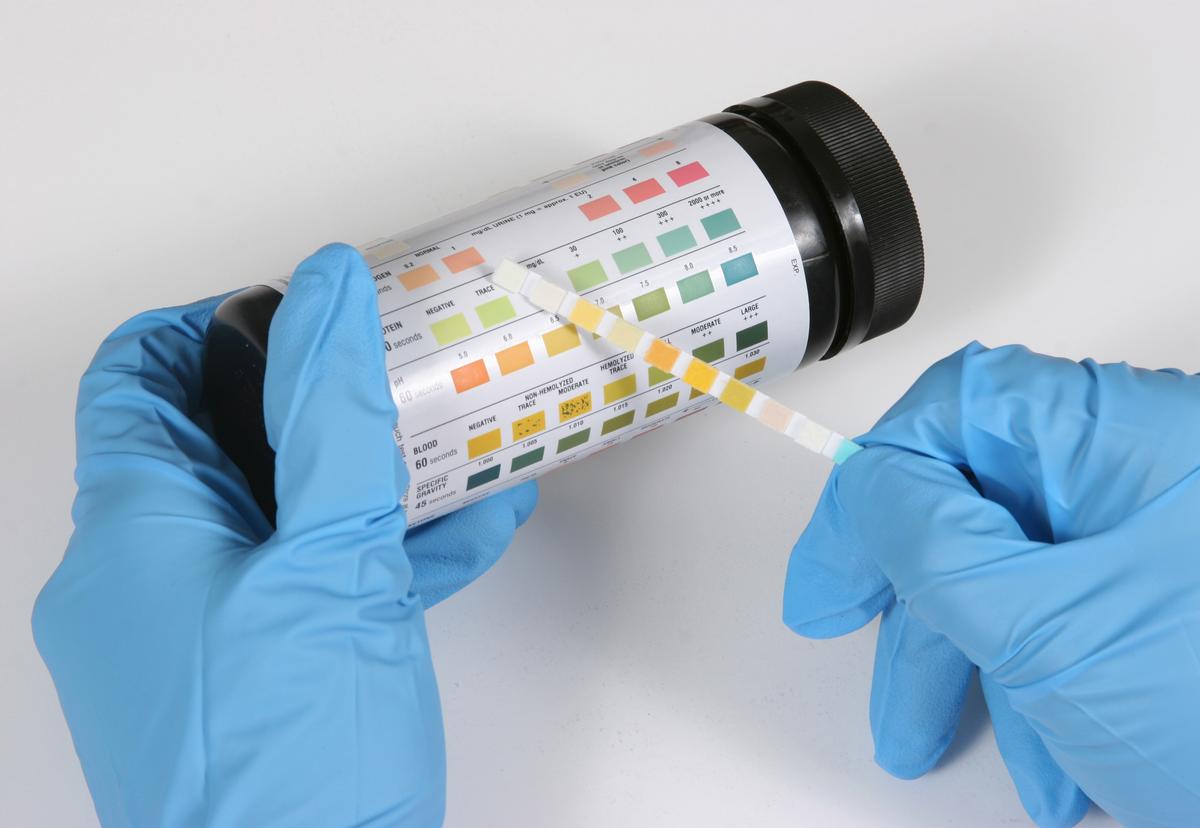
Visible coloured bands appear if target genes are present
Results can be read with the naked eye.
Key features of the dipstick test
Cost-effective:
Unit cost: ₹400–550
Much cheaper than shotgun sequencing (>₹9,000 per sample)
Rapid:
Results within ~2 hours
Multiplex capability:
Each dipstick can detect 16 resistance genes simultaneously
Scalable and adaptable:
New resistance genes can be incorporated within 3 days
Low-resource suitability:
Can be deployed in minimal laboratory settings
Suitable for low- and middle-income countries
Comparison with existing techniques
Shotgun sequencing
Pros:
Comprehensive profiling of resistance genes
Cons:
Expensive
Infrastructure-intensive
Not suitable for routine large-scale surveillance
Dipstick assay
Pros:
Cheap
Fast
Suitable for mass surveillance
Cons:
Provides screening-level information, not definitive diagnosis
Interpretation caveat
Detection of a gene does not confirm disease.
Resistance genes indicate potential risk, not presence of viable pathogens.
AMR expression depends on:
Gene combinations
Environmental and biological context
Hence, dipstick results should guide further targeted investigations, not standalone conclusions.
Prelims Practice MCQs
Q. With reference to the recently developed dipstick test to detect antimicrobial resistance (AMR) in sewage, consider the following statements:
The test detects antibiotic-resistant pathogens by culturing them in the laboratory.
It provides a visual readout that can be interpreted with the naked eye.
It works by detecting resistance genes present in sewage samples.
Which of the statements given above is/are correct?
A. 2 and 3 only
B. 1 and 2 only
C. 3 only
D. 1, 2 and 3
Correct answer: A
Explanation:
Statement 1 is incorrect: the assay does not culture pathogens; it detects resistance genes.
Statement 2 is correct: visible coloured bands appear on the dipstick.
Statement 3 is correct: the test identifies AMR genes in sewage samples.
Q. The primary institutional affiliation of the Indian scientists who developed the affordable dipstick assay for AMR detection is:
A. Indian Council of Medical Research
B. Translational Health Science and Technology Institute
C. National Institute of Virology
D. Council of Scientific and Industrial Research
Correct answer: B
Explanation:
The assay was developed by scientists from the Translational Health Science and Technology Institute (THSTI).