
India Uncovers 8.5 Million Tonnes of Rare Earth Reserves
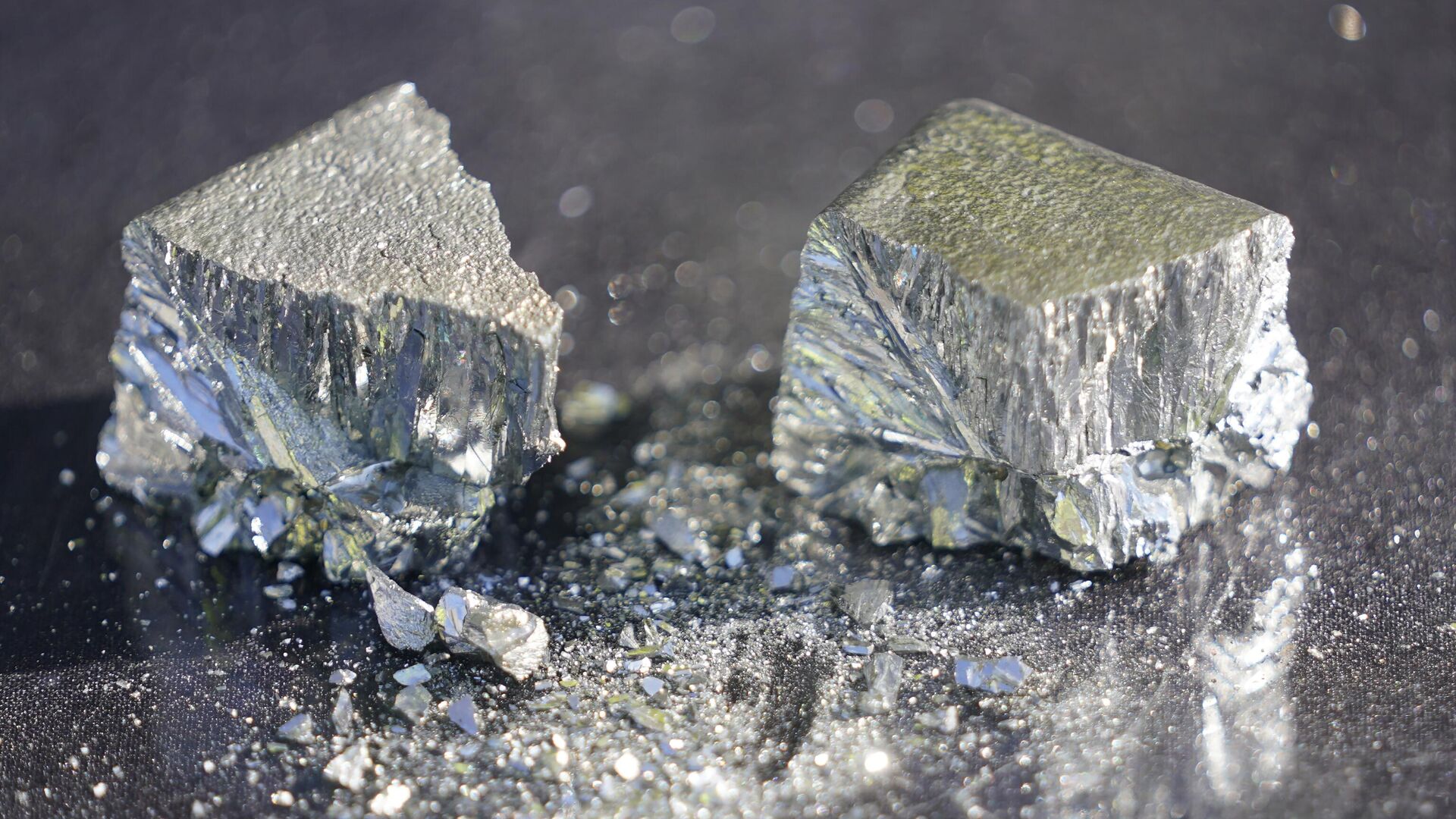
India's Rare Earth Reserves Discovery
-
Discovery Overview:
-
India has discovered 8.5 million tonnes (mt) of rare earth element oxides (REOs).
-
This includes:
-
7.23 mt in 13.15 mt monazite deposits found in coastal and inland regions of Andhra Pradesh, Odisha, Tamil Nadu, Kerala, West Bengal, Jharkhand, Gujarat, and Maharashtra.
-
1.29 mt in hard rock deposits in Gujarat and Rajasthan.
-
-
Earlier estimate was 6.99 mt – the new discovery marks a significant increase.
-
-
Geological Context:
-
Rare earths are not found in isolation; they occur within minerals like monazite, bastnaesite, and xenotime.
-
These minerals are sourced from:
-
Hard rock deposits: e.g., carbonatites, alkaline igneous rocks.
-
Weathered and sedimentary deposits: e.g., ion-absorption clays, mineral sands, red sand (teri), and inland alluvium.
-
-
-
Processing & Institutional Framework:
-
IREL (under DAE) is the only agency mining and processing REOs in India.
-
AMD (Atomic Minerals Directorate) and GSI (Geological Survey of India) are engaged in exploration:
-
GSI has identified 482.6 mt of REE ore resources across 34 projects.
-
-
-
National Critical Minerals Mission:
-
Aimed at domestic capacity building and supply chain resilience.
-
Includes incentives for REE processing technologies, recycling schemes, and start-up/MSME participation.
-
-
Global Context:
-
The discovery comes amid China’s export curbs on REEs.
-
India has formed an inter-ministerial committee (mines, heavy industries, commerce, DAE) to secure strategic resources and tech collaborations.
-
-
Strategic Importance:
-
REEs are critical for:
-
Permanent magnets in EVs and renewables
-
Energy storage systems
-
Aerospace and defence components
-
-