
India’s Linguistic Secularism
 Click to view full image
The Need to Protect India’s Linguistic Secularism
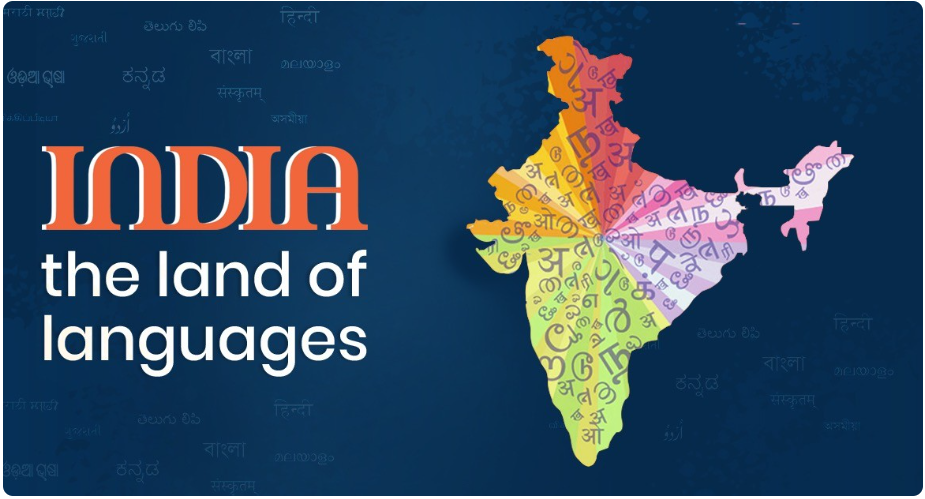
India’s rich linguistic and religious diversity forms the foundation of its secularism and national unity. While Western secularism focuses on the separation of state and religion, Indian secularism uniquely includes linguistic neutrality, ensuring no preference or discrimination based on language or religion.
The Indian Constitution safeguards this diversity:
-
Article 343: Hindi in Devanagari is the Union’s official language, but states are free to choose their own.
-
Article 29: Citizens have the right to preserve their language, script, and culture.
-
Eighth Schedule: Lists 22 official languages, but the 2011 Census identifies 121 languages and 270 mother tongues.
Linguistic secularism is vital to India’s integrity, especially as language can be a cultural bridge or a barrier.
Resistance to Hindi imposition in the southern and northeastern states stems from fears of cultural marginalisation. Recent violence in Maharashtra over language issues reflects dangerous identity politics that threaten the inclusive spirit of India.
To protect India’s secular and democratic fabric, all languages must be equally respected, and political parties must actively uphold constitutional values. Embracing diversity with tolerance and liberalism is the only sustainable path forward in a globalised world.
UPSC syllabus :
GS Paper I (Mains): Indian Society, Salient features of Indian diversity, regionalism and communalism.
GS Paper II: Indian Constitution, particularly Federalism, Fundamental Rights, Official Language provisions, and role of the State in promoting diversity and equality.