
India’s First Bamboo-based Ethanol Plant
Inauguration
-
By: Prime Minister Narendra Modi
-
Golaghat facility billed as world’s first green bamboo bioethanol plant
-
Facility: Assam Bio-Ethanol Private Ltd. (ABEL), Numaligarh Refinery Plant
Significance
-
World’s first green bamboo bioethanol plant
-
Part of India’s clean energy and energy self-sufficiency strategy.
-
Coincided with the foundation stone laying for a ₹7,230-crore polypropylene project at Numaligarh Refinery.
Plant Features
-
Cost: ₹5,000 crore
-
Capacity:
-
48,900 tonnes of ethanol annually
-
11,000 tonnes of acetic acid
-
19,000 tonnes of furfural
-
31,000 tonnes of food-grade liquid CO₂
-
-
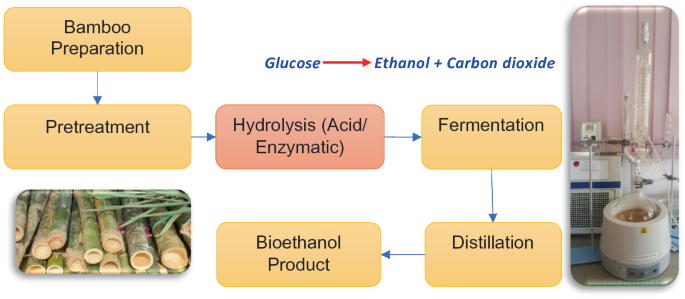
Raw material: 5 lakh tonnes of green bamboo per year, sourced from Arunachal Pradesh, Assam, and other NE states.
-
Technology: Joint venture of Numaligarh Refinery Ltd. (NRL), Finland’s Fortum and Chempolis OY.
-
“zero-waste” facility described as the world’s first to produce ethanol from green bamboo.
- "Bamboo will contribute to carbon sequestration during its growth and due to non-burning of fossil fuels, carbon emission will be drastically reduced. Use of bamboo for ethanol production also serves to conserve ground water.
- Unlike sugarcane, the most common material currently used to manufacture ethanol, bamboo requires only one fifth of water compared to water required for growing sugarcane,".
Economic & Social Impact
-
Expected to give a ₹200-crore boost to Assam’s rural economy.
-
Will benefit local farmers and tribal communities:
-
Govt. to support bamboo cultivation and procurement.
-
Promotes sustainable livelihoods in NE states.
-
-
Aligns with Make in India & Viksit Bharat 2047 vision.
Broader Energy Context
-
Reduces dependence on imported fossil fuels.
-
Complements India’s focus on:
-
Hydrocarbon exploration (deep-water mission)
-
Renewables (solar, biofuels)
-
-
Bamboo reclassified from “tree” to “grass” (2017), easing restrictions on felling and transport.