
Green Hushing: Concept and Significance
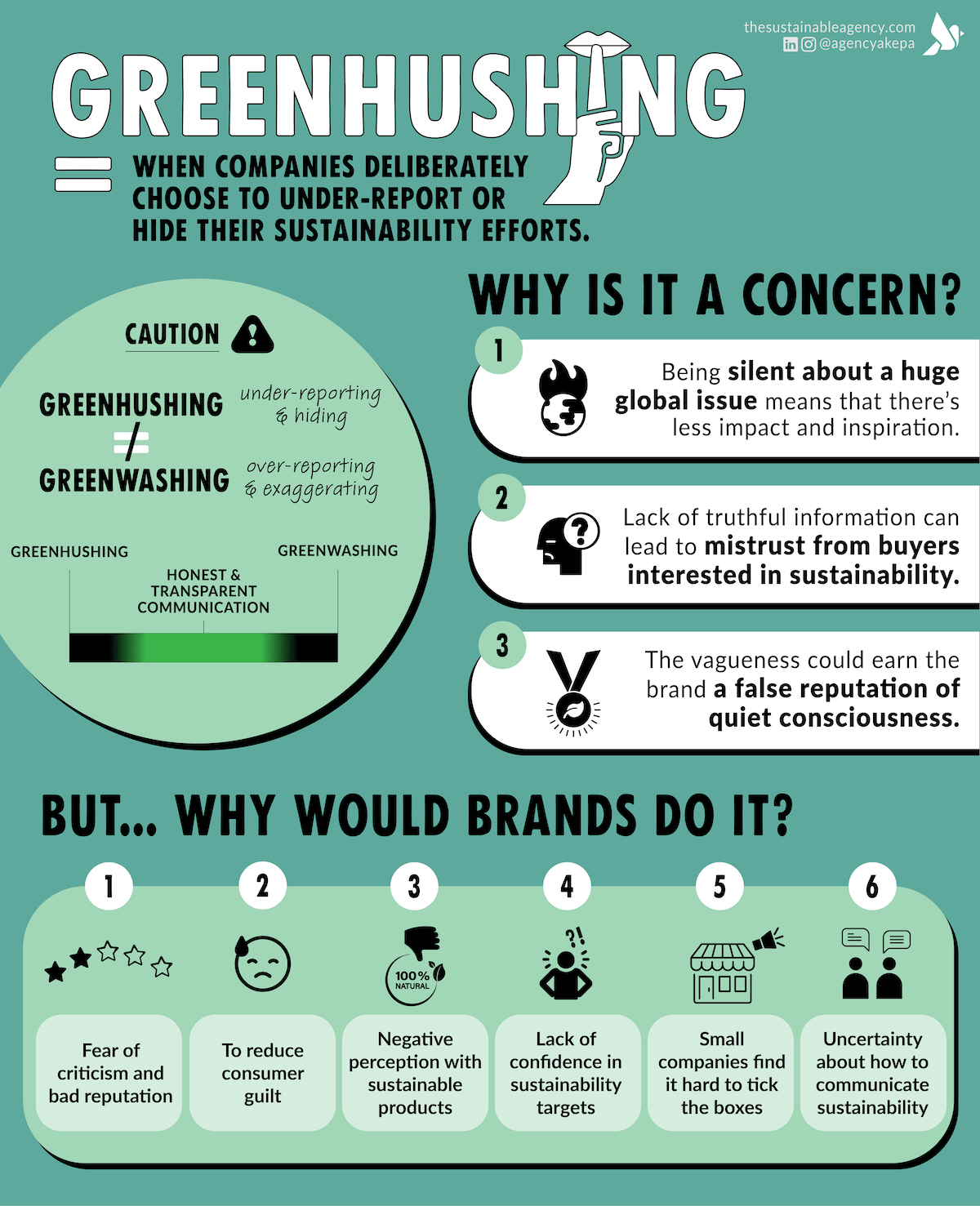
Green Hushing:
Green hushing refers to the deliberate underreporting or concealment of genuine environmental and sustainability efforts by companies, to avoid external scrutiny, backlash, or accusations of greenwashing.
It is the opposite of greenwashing, where companies exaggerate or fabricate their environmental credentials.
Nature of the Practice
-
Companies actively pursue green goals but choose not to disclose them.
-
Seen especially in climate disclosures, sustainability reporting, and ESG targets.
-
A form of climate silence that reduces transparency in global sustainability progress.
Why Companies Green Hush
-
Fear of Greenwashing Accusations
-
Concerned that any environmental claim may be attacked as disingenuous or half-hearted.
-
-
Avoiding Stakeholder Scrutiny
-
Want to escape critical media, investor interrogation, or consumer activism.
-
-
Concern Over Unrealistic Targets
-
Worry that publicizing targets which later fail may harm credibility.
-
Consequences of Green Hushing
-
Reduced Transparency: Hinders public and stakeholder knowledge of actual corporate efforts.
-
Lost Learning Opportunities: Prevents peer benchmarking, constructive feedback, and sectoral progress.
-
Brand and Trust Erosion: If exposed, can backfire and cause reputational damage.
-
Lower Investor Confidence: Investors focused on ESG prefer companies that are open and measurable.
Green Hushing vs. Greenwashing
| Greenwashing | Green Hushing | |
|---|---|---|
| Meaning | Faking or exaggerating green claims | Hiding genuine environmental efforts |
| Intent | To appear sustainable | To avoid scrutiny or backlash |
| Impact | Misleads consumers & investors | Stifles transparency & climate action |
-
Highlights a new paradox in corporate sustainability: silence despite progress.
-
Challenges global efforts toward net-zero emissions, carbon accountability, and ESG-based investment.
