“Fight to protect Chelam Hill gets stronger in northern Andhra Pradesh”
Context
The Chelam Hill range in Srikakulam district, northern Andhra Pradesh, has become the latest flashpoint in environmental and tribal rights conflicts.
Local Savara (PVTG) and Jatapu tribal communities are strongly opposing the proposed 3,200 MW supercritical coal-based thermal power project by APGENCO (Andhra Pradesh Power Generation Corporation Ltd.), citing threats to their environment, livelihoods, and culture.
🔹 Project Overview
Project: 3,200 MW Supercritical Coal-based Thermal Power Plant
Proponent: APGENCO (State-owned PSU)
Estimated Cost: ₹30,000 crore
Location: Chelam Hill Range — between Burja and Sarubujjili Mandals, Srikakulam District
Area required: ~1,200 acres
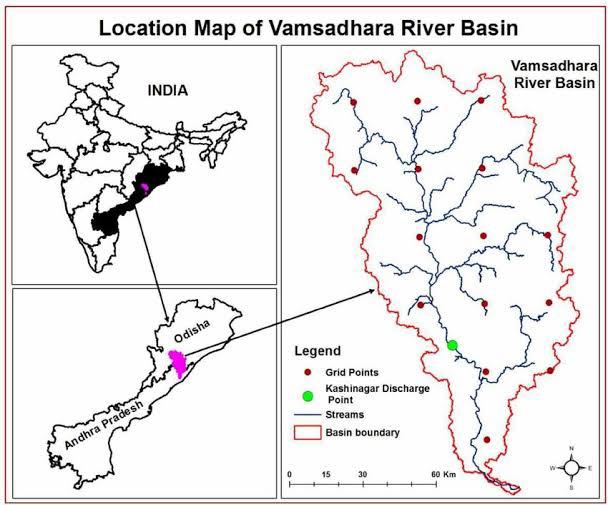
Water source: Vennelavalasa reservoir (fed by Vamsadhara River)
Technology partners: L&T and BHEL
Rationale: Close proximity to Moolapeta Port (coal import) and Srikakulam Road railway station, lowering production costs.
🔹 Opposition and Local Concerns
1. Tribal Resistance
Communities involved: Savara (PVTG) and Jatapu tribes from 26 villages, supported by 10 nearby Dalit and non-tribal villages.
Major groups leading protests:
Power Plant Vyatirekha Porata Committee (PPVPC)
Adivasi Samkshema Parishad (ASP)
Key concern: Violation of tribal rights in 5th Schedule areas and Forest Rights Act (RoFR), 2006 lands.
2. Environmental & Livelihood Impact
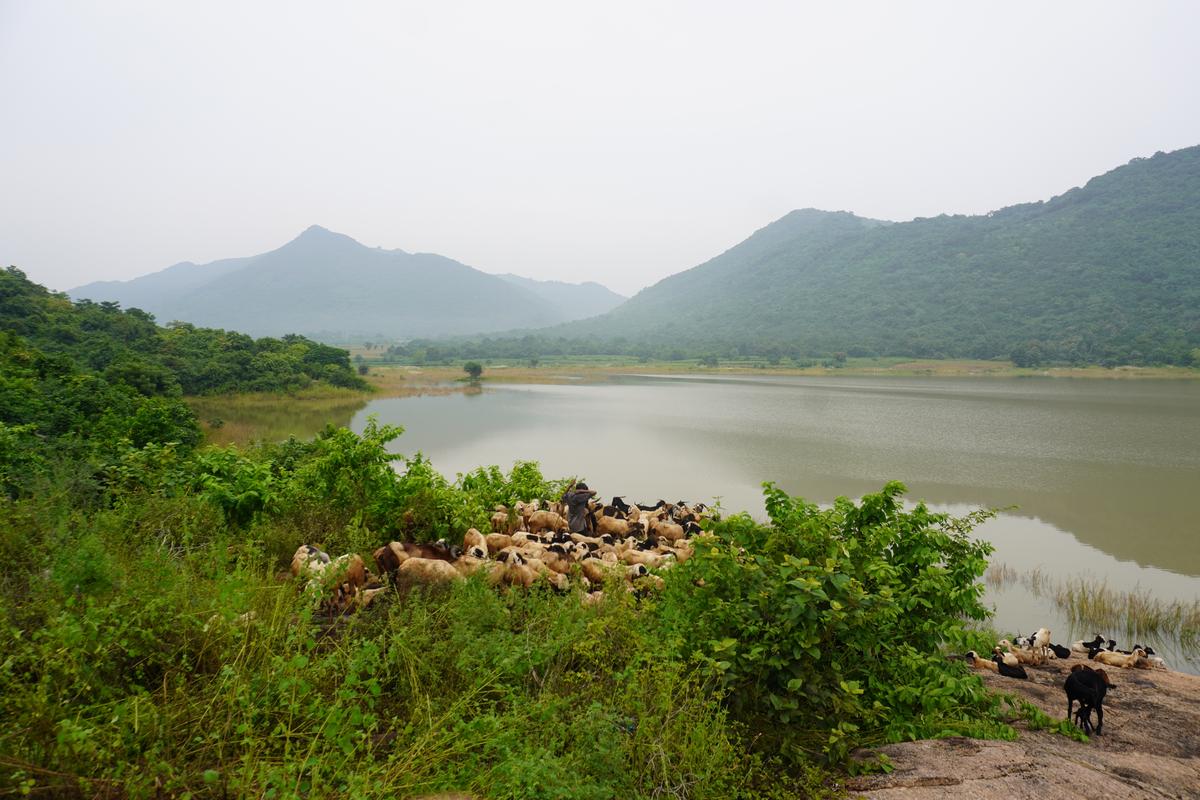
The Chelam Hills form one of the most fertile and biodiverse regions of North Andhra.
Tribals cultivate cotton, maize, cashew, turmeric, ginger, mango, broom grass, banana, pineapple, and collect forest produce like custard apple and jackfruit.
Pollution from the power plant may:
Damage forests, streams, and microclimate,
Endanger agricultural productivity,
Threaten Mahua and other culturally significant trees.
3. Cultural & Ecological Significance
Tribes link forest ecology with cultural life — e.g., Mahua tree branches used in wedding rituals.
Locals argue: “Government can give money, but not restore forest, hills, and streams.”
4. Governance & Rights Issues
Locals allege surveys (via drones) were conducted without consent, violating PESA (1996) provisions.
Fear of displacement without proper rehabilitation.
Demand for irrigation canal from Vamsadhara (ignored for years) but water now being diverted for the thermal project — creating resentment.