
DCGI Orders Digital Monitoring of High-Risk Solvents
Background
Death of 20+ children in Madhya Pradesh due to diethylene glycol (DEG) contamination in cough syrups.
DEG a toxic industrial solvent was illegally used as a substitute for pharmaceutical-grade solvents like glycerin and propylene glycol in drug formulations.
About Diethylene Glycol (DEG)
Chemical nature:
Colorless, odorless, sweet-tasting liquid.
Used industrially in antifreeze, brake fluids, paints, and as a solvent.
Toxic effects:
Causes renal failure, neurological damage, and death when ingested.
Has been linked to multiple mass poisoning incidents globally (including India, Gambia, Uzbekistan).
About ONDLS (Online National Drugs Licensing System)
Developed by: Central Drugs Standard Control Organisation (CDSCO).
Type: Single-window digital platform for:
Drug & cosmetic manufacturing and sales licences.
NOCs, renewals, and certifications.
Purpose: Promote transparency, efficiency, and traceability in drug regulation across India.
Key Directives under DCGI’s Order
Digital Monitoring System on ONDLS:
To track the supply chain and quality of high-risk pharmaceutical solvents.
Mandatory ONDLS Registration:
All pharma-grade solvent manufacturers must obtain/managing licences through ONDLS.
Existing manufacturers must register and upload existing licence data under Old Licence Management module.
Solvents under Monitoring (initial list):
Diethylene Glycol (DEG)
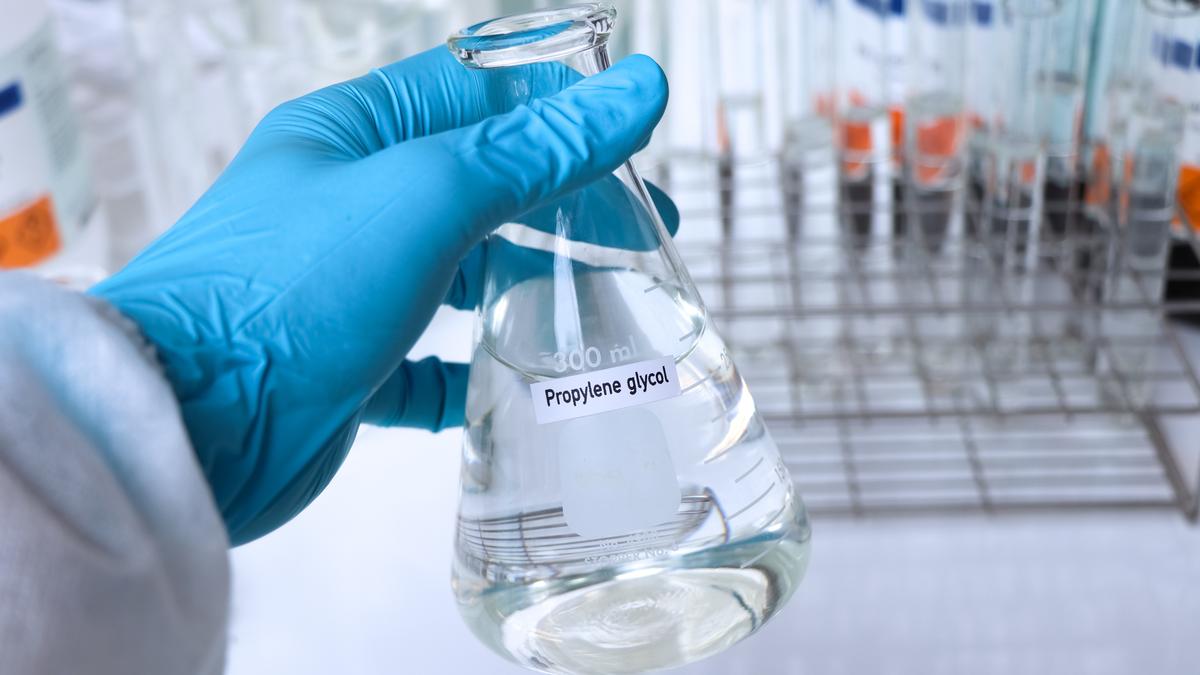
Propylene Glycol (PG)
Other high-risk intermediates used in cough syrups and liquid formulations.
Objective:
Ensure end-to-end traceability of raw material procurement and usage.
Prevent adulteration/substitution of pharmaceutical solvents with industrial-grade chemicals.
Institutional Framework
Institution | Role |
DCGI (Drugs Controller General of India) | Apex regulatory authority under CDSCO. Approves drugs, oversees manufacturing quality, and enforces safety regulations. |
CDSCO (Central Drugs Standard Control Organisation) | Implements Drugs and Cosmetics Act, 1940. Coordinates with state drug controllers. |
State Drug Licensing Authorities | Responsible for on-ground inspections and compliance. |
Prelims Practice MCQ
Q. The DCGI regulatory authority empowered to issue directions like establishing the Digital Monitoring System for solvents in India functions under which law?
A. Drugs and Cosmetics Act, 1940
B. Drugs (Control) Act, 1950
C. Essential Commodities Act, 1955
D. National Medical Commission Act, 2019
✅ Answer: A
⚖️ Explanation: The DCGI operates under the Drugs and Cosmetics Act, 1940, which governs manufacturing, sale, and distribution of drugs and cosmetics in India.
Q. ONDLS, the portal recently directed for monitoring high-risk solvents, is primarily operated under which organization?
A. National Informatics Centre (NIC)
B. Central Drugs Standard Control Organisation (CDSCO)
C. National Pharmaceutical Pricing Authority (NPPA)
D. Indian Pharmacopoeia Commission (IPC)
✅ Answer: B
Explanation: The ONDLS portal is managed by the CDSCO under the Ministry of Health and Family Welfare.
Q. Which of the following solvents has been specifically mentioned for digital monitoring under the DCGI directive?
A. Benzene
B. Toluene
C. Propylene Glycol
D. Ethanol
✅ Answer: C
Explanation: Propylene Glycol (PG), a commonly used pharmaceutical solvent, is included among the high-risk solvents requiring digital monitoring.