
Climate Change: A Growing Threat to India’s Tea Industry
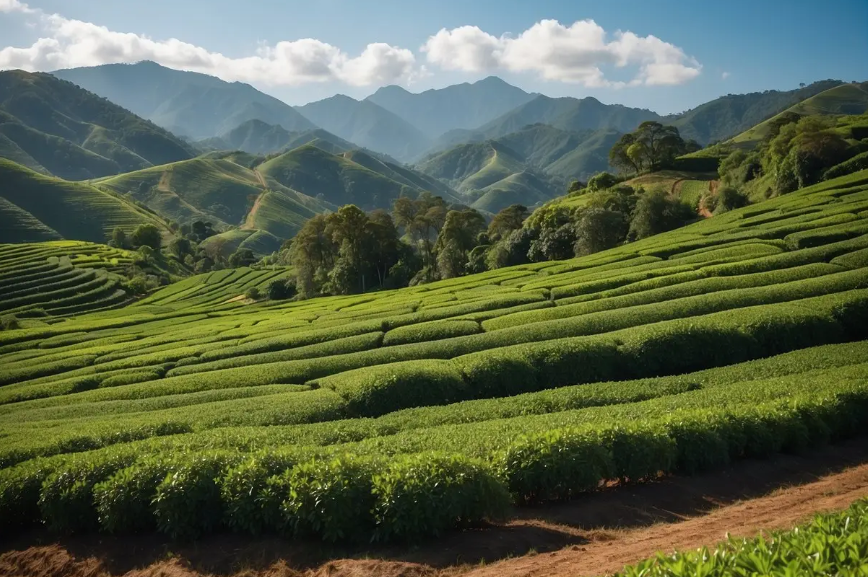
Context
Recent event: Severe floods and landslides in North Bengal (Darjeeling, Terai, and Dooars) devastated tea gardens.
Scale of impact: Nearly 30 out of 276 tea gardens in the region affected.
The Indian Tea Association (ITA) during its 142nd Annual General Meeting (AGM) in Kolkata — identified climate change as a key challenge to the tea sector.
Link with Climate Change
ITA, stated that the floods and landslides were direct manifestations of climate change.
These events led to:
Erosion of plantation areas
Damage to tea estates and loss of communication links
Tragic loss of lives
Assam’s Perspective
Assam India’s largest tea-producing State emphasized that:
Climate change is the biggest long-term risk to the tea industry.
Its impact is not limited to one region; it threatens the entire Indian tea economy.
Broader Implications
Climate change impacts tea cultivation through:
Increased rainfall variability (floods, landslides, droughts).
Temperature rise and changing humidity affecting tea quality.
Pest outbreaks and soil erosion.
Disruption of plantation cycles and infrastructure damage.
The Darjeeling, Dooars, Terai, and Assam regions are particularly vulnerable due to their high rainfall and slope-dependent plantation systems.
Way Forward
Strengthen climate-resilient tea cultivation practices soil conservation, afforestation, and water management.
Create disaster insurance and relief funds for affected plantations.
Invest in infrastructure restoration and early warning systems.
Encourage research on climate-resilient tea varieties and sustainable farming models.
Tea in India
Second largest producer in the world (after China).
Largest consumer (nearly 30% of world’s tea).
Famous varieties: Assam tea, Darjeeling tea (both have global reputation).
Tea is the State Drink of Assam; there were even proposals to make it the National Drink of India.
About 70% of tea produced in India is consumed domestically.
Historical Background
Tea has been known in India since ancient times:
Tribes like the Singpho and Khamti in Assam consumed wild tea leaves from at least the 12th century.
Some link tea to the ancient idea of Soma in Indian texts, though not proven.
Early records:
1684 Treaty of Tingmosgang mentions regular tea trade from Tibet to Ladakh.
Colonial Era – Rise of Commercial Tea
1820s: British East India Company began experimenting with tea cultivation in Assam using local varieties consumed by tribes.
1826: British gained Assam after the Treaty of Yandabo.
1837: First English tea garden at Chabua (Upper Assam).
1840: Assam Tea Company started large-scale production, often using indentured local labour.
1850s onwards: Tea cultivation spread rapidly across Assam, Darjeeling, and South India.
Though India had native tea plants, the British initially imported Chinese seeds, which gave rise to Darjeeling tea. The Assamese variety was later used widely.
Modern Era
India was the largest tea producer for nearly a century, but now China leads due to larger land availability.
Still, India is the largest tea-drinking nation in the world.
Per capita consumption is ~750–840 grams/year (lower than Turkey’s 3 kg/year, but significant given India’s huge population).
Indian tea companies own major foreign brands like Tetley and Typhoo.
The Tea Board of India regulates production, certification, and exports.
Major Tea Varieties (Geographical Indicators)
Darjeeling tea – High-altitude, delicate flavour, globally famous (GI tagged).
Assam tea – Strong, malty taste; produced in the world’s largest tea-growing region.
Nilgiri tea – From Tamil Nadu; aromatic and floral.
Kangra tea – From Himachal Pradesh.
Munnar tea – From Kerala high ranges.
Dooars-Terai tea – From West Bengal.
Sikkim tea – From Temi tea estate.
Masala tea – Spiced Indian blend.
Agro-Climatic Conditions for Tea Cultivation
1. Temperature
Optimum range: 13°C – 32°C
Sensitive to frost and extreme cold.
Cooler temperatures at higher altitudes (600–2,100 m) improve quality and flavor (slower leaf growth enhances aroma).
2. Rainfall & Humidity
Requires 150–250 cm of well-distributed rainfall annually.
High relative humidity (80–90%) promotes healthy growth.
Dry spells reduce yield; hence even distribution is critical.
3. Soil
Prefers acidic soil (pH 4.5–5.5).
Should be deep, friable, well-drained, and rich in organic matter.
Waterlogging is harmful.
4. Sunlight & Day Length
Tea is a shade-loving crop; excessive direct sunlight harms leaves.
Shorter days and cooler conditions induce dormancy, lowering yields.
5. Altitude
Thrives from 600–2,100 meters above sea level.
Higher altitudes → slower growth, finer plucking standard, better aroma & quality (e.g., Darjeeling tea).
Lower altitudes → higher yield but lower quality (e.g., Assam tea).
Climatic Distribution in India
Assam & North Bengal (Dooars, Terai) → hot, humid, low-lying, heavy rainfall → high yield.
Darjeeling (1,000–2,000 m) → cooler climate, mist → delicate flavor (“Champagne of teas”).
Nilgiris, Anamalai, Wayanad, Munnar (South India) → tropical highlands → fragrant, brisk tea.
Kangra (HP) → mid-altitude temperate climate → mild aroma.
