
CEREBO: Indigenously Developed Brain Diagnostic Tool
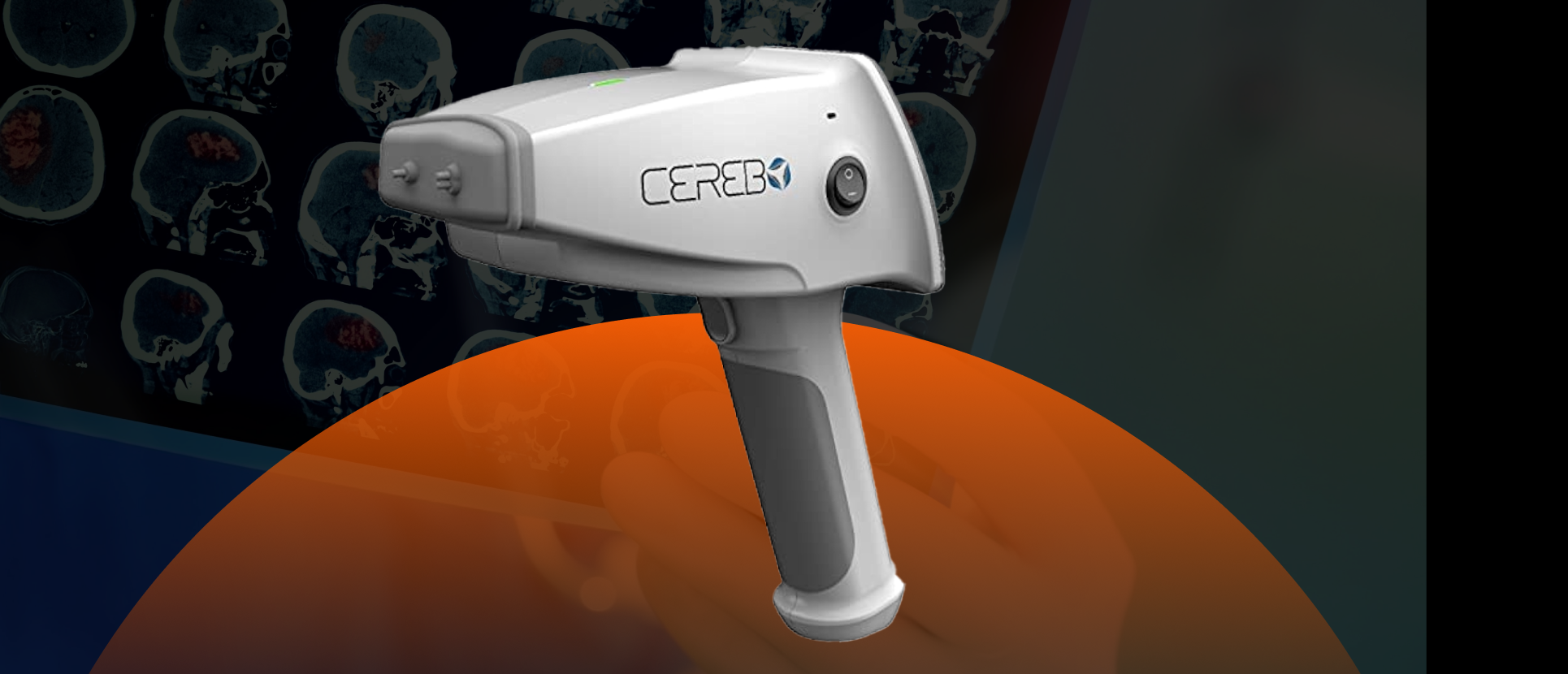
Developer: Indian Council of Medical Research (ICMR), Medical Device & Diagnostics Mission Secretariat (MDMS), AIIMS Bhopal, NIMHANS Bengaluru, Bioscan Research.
-
Type: Hand-held, portable, non-invasive device.
-
Function: Detects intracranial bleeding & edema in under a minute.
-
Technology: Near-infrared spectroscopy + machine learning.
-
Advantages:
-
Radiation-free, colour-coded, cost-effective results.
-
Usable by paramedics/unskilled staff.
-
Safe for infants & pregnant women.
-
Useful in ambulances, trauma centres, rural clinics, disaster zones, military healthcare.
-
-
Validation: Clinical trials at trauma centres & neurosurgical hospitals; regulatory approvals in place; post-market surveillance confirms adoption potential.
Traumatic Brain Injury (TBI)
-
Definition: Disruption of normal brain function due to trauma/injury to the head.
-
Severity: Mild (concussion) → Severe (long-term impairments, brain damage, or death).
-
Major Causes (India):
-
Road traffic accidents – ~60%
-
Falls – 20–25%
-
Violence – ~10%
-
-
Epidemiology:
-
1.5–2 million injured annually in India.
-
~1 million deaths/year.
-
TBIs = major cause of morbidity, mortality, and socio-economic loss.
-
Why CEREBO is Useful in Rural Areas
-
Challenges with existing methods:
-
Glasgow Coma Scale (GCS) – prone to error, subjective.
-
CT/MRI scans – need expensive infrastructure, skilled manpower, urban hospital setup.
-
-
CEREBO’s advantages in rural settings:
-
Portable → can be used in field/ambulances.
-
Provides quick triage → helps decide who needs urgent transfer to tertiary hospitals.
-
Reduces delay → crucial as first 24–48 hours after TBI are critical.
-
Cost-effective → increases accessibility in underserved regions.
-