
Centre defends new coal plant rules
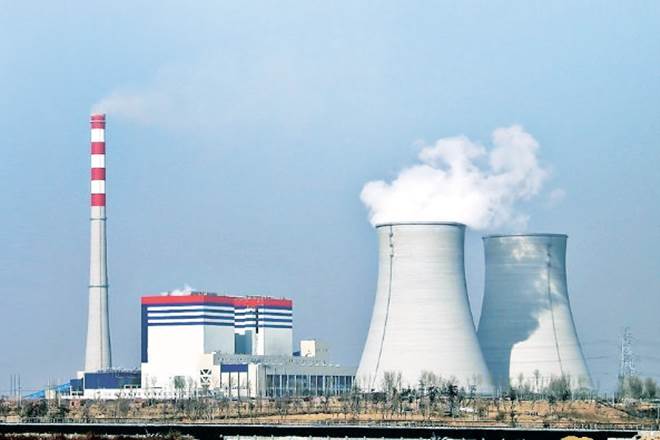
“Centre defends new coal plant rules, calls them cost-effective” —
Syllabus : UPSC GS Paper III (Environment, Energy, Governance):
Why in news:
The Ministry of Environment, Forests and Climate Change (MoEFCC) defended its 2024 decision to exempt most thermal power plants from installing Flue Gas Desulphurisation (FGD) units, calling it a cost-effective and science-based policy shift, not a rollback of environmental standards.
Background:
-
In 2015, FGD systems were made mandatory for all coal-based thermal power plants to reduce Sulphur Dioxide (SO₂) emissions.
-
By 2024, only 8% of around 180 coal plants had installed FGDs.
-
Under the new rules, only 11% of 600 units (not plants) — mostly located in major polluted cities — must mandatorily install FGD.
Government's Justification:
-
Scientific Rationale:
-
India’s SO₂ levels are declining.
-
Indian coal has low sulphur (0.5%) and high ash, leading to low SO₂ emissions.
-
No significant difference found in SO₂ levels between plants with and without FGDs.
-
SO₂ is not a major contributor to PM2.5-related health impacts.
-
-
Cost-Effectiveness:
-
Installing FGDs costs ₹1.2 crore per MW, totaling ₹2.54 lakh crore if installed nationwide.
-
Would yield only marginal reduction in PM levels, hence not worth the investment.
-
-
Compliance Comparison:
-
India’s SO₂ standard is 50 µg/m³, stricter than Japan (66), EU (52.4), Australia (66).
-
2023 data: All but two cities (Dehradun, Kolar) complied with this standard.
-
Criticism and Concerns:
-
The policy appears to weaken earlier environmental commitments.
-
Unequal environmental standards now apply — based on plant location rather than actual emissions.
-
Raises questions on the government’s commitment to air quality, public health, and climate goals.