
Budhabalang, Subarnarekha, Jalaka rivers
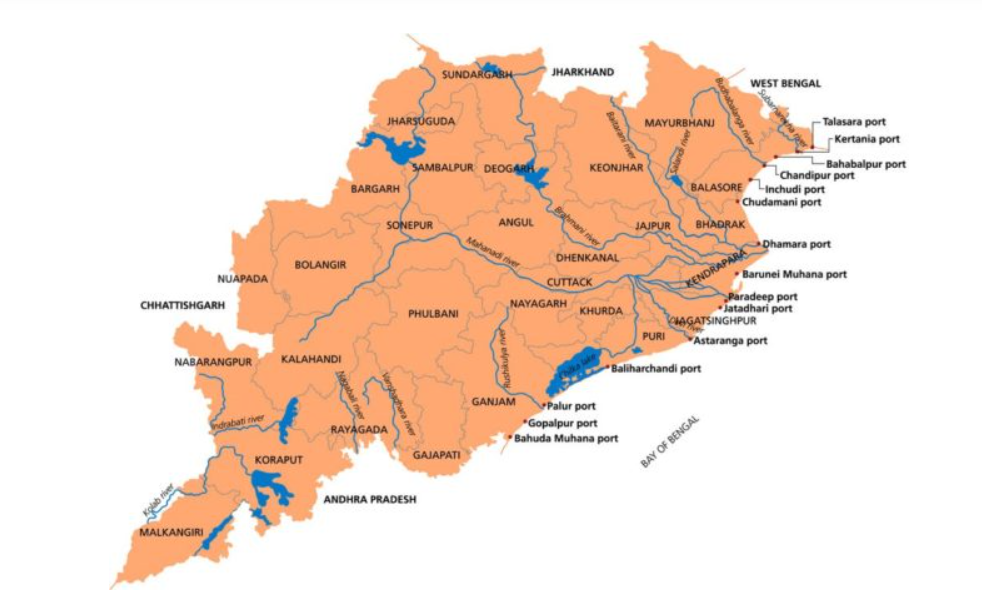
1. Subarnarekha River
-
Origin: Near Nagri village, close to Ranchi, Jharkhand
-
Length: ~395 km
-
States Covered: Jharkhand, West Bengal, Odisha
-
Mouth: Bay of Bengal (near Talsari in Balasore district, Odisha)
-
Tributaries:
-
Left: Kharkai River, Kanchi River
-
Right: Raru River, Karkari River
-
-
Significance:
-
The name Subarnarekha means “streak of gold,” due to traces of gold found in its sands (historically mined by local tribes).
-
Major urban centers on its banks include Jamshedpur and Ghatsila.
-
Important for industrial use, irrigation, and drinking water supply.
-
-
Environmental Concerns: Pollution from mining and industrial discharge, especially around Jamshedpur.

2. Budhabalang River
-
Origin: Similipal hills, Mayurbhanj district, Odisha
-
Length: ~175 km
-
State Covered: Odisha
-
Mouth: Bay of Bengal (near Balaramgadi, Balasore district)
-
Major Tributaries:
-
Sone, Gangahar, Kani
-
-
Significance:
-
Drains areas of Similipal Biosphere Reserve — an ecologically rich region.
-
Major for irrigation and agriculture in northern Odisha.
-
Frequent flash floods during monsoon season.
-
-
Issues: Sedimentation, seasonal flooding, and siltation near the river mouth.

3. Jalaka River
-
Origin: Also from Similipal hills, Mayurbhanj district, Odisha
-
Length: Shorter river, approx. ~90–100 km
-
State Covered: Odisha
-
Mouth: Bay of Bengal, through Balasore district
-
Significance:
-
Seasonal river prone to flooding in Balasore plains.
-
Affects low-lying villages during intense monsoon.
-
Supports local agriculture and serves as a flood carrier for the region.
-
Location: Northern Odisha, primarily in Balasore district
-
Origin: Likely from the eastern slopes of the Similipal hills (like other rivers in the region)
-
Course: A seasonal tributary or independent small river draining into the Bay of Bengal
-
Length: Relatively short; local river system