
100 years of Military Nursing Service (MNS)
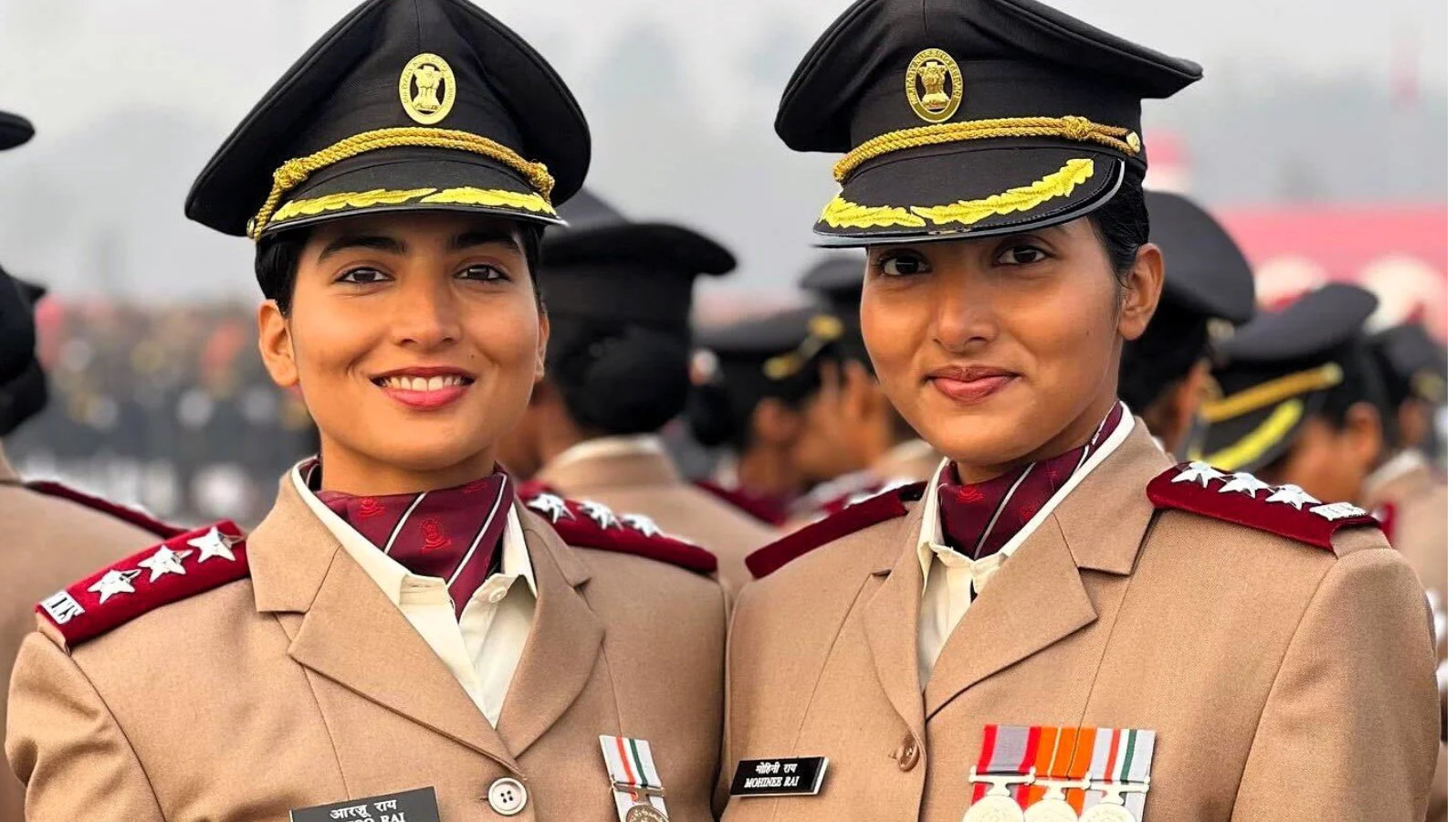
Military Nursing Service (MNS) – Indian Armed Forces
Introduction
The Military Nursing Service (MNS) is a specialized corps of the Armed Forces Medical Services (AFMS) of the Indian Army.
Provides professional nursing care to serving personnel, veterans, and their families during both peace and war.
Unique feature: It is one of the very few corps in the Indian Army composed exclusively of women officers, symbolizing Nari Shakti in combat healthcare.
Historical Evolution
1888: Army Nursing Service formed under British India.
1893: Renamed Indian Army Nursing Service.
1902: Merged into Queen Alexandra’s Imperial Military Nursing Service (QAIMNS).
1914–1918 (World War I):
< 300 nurses at outbreak → expanded to over 10,000 by end.
Served in Flanders, Mediterranean, Balkans, Middle East, hospital ships.
200+ Army nurses died in service, including many Indians.
1926 (1st October): Nursing Services made a permanent part of British Indian Army.
This date is celebrated as Corps Day of the MNS.
1947–48 (Post-Independence): Integrated into Indian Army AFMS.
Structure & Commissioning
Commissioning:
Officers enter through Short Service Commission (SSC).
May opt for Permanent Commission based on vacancies and selection.
Rank & Promotion:
Commissioned as officers of the Indian Army, with ranks, pay, and privileges at par with counterparts in AFMS.
Gazette of India publishes all commissioning and promotion orders.
Roles & Responsibilities
Peacetime Duties:
Nursing care in military hospitals across India.
Preventive medicine, maternal & child health, family welfare.
Wartime/Operational Roles:
Battlefield trauma care.
Management of mass casualties in conflict/disaster zones.
Medical evacuation support.
Special Deployments:
UN Peacekeeping missions.
Humanitarian assistance & disaster relief (HADR) operations.
Remote/hostile terrain healthcare (Siachen, North-East, border posts).